What Horses Mean in the Dothraki World
Mobility, status and military strength are inseparable from the animals that sustain them.
Spoiler scope: Game of Thrones: seasons 1–7
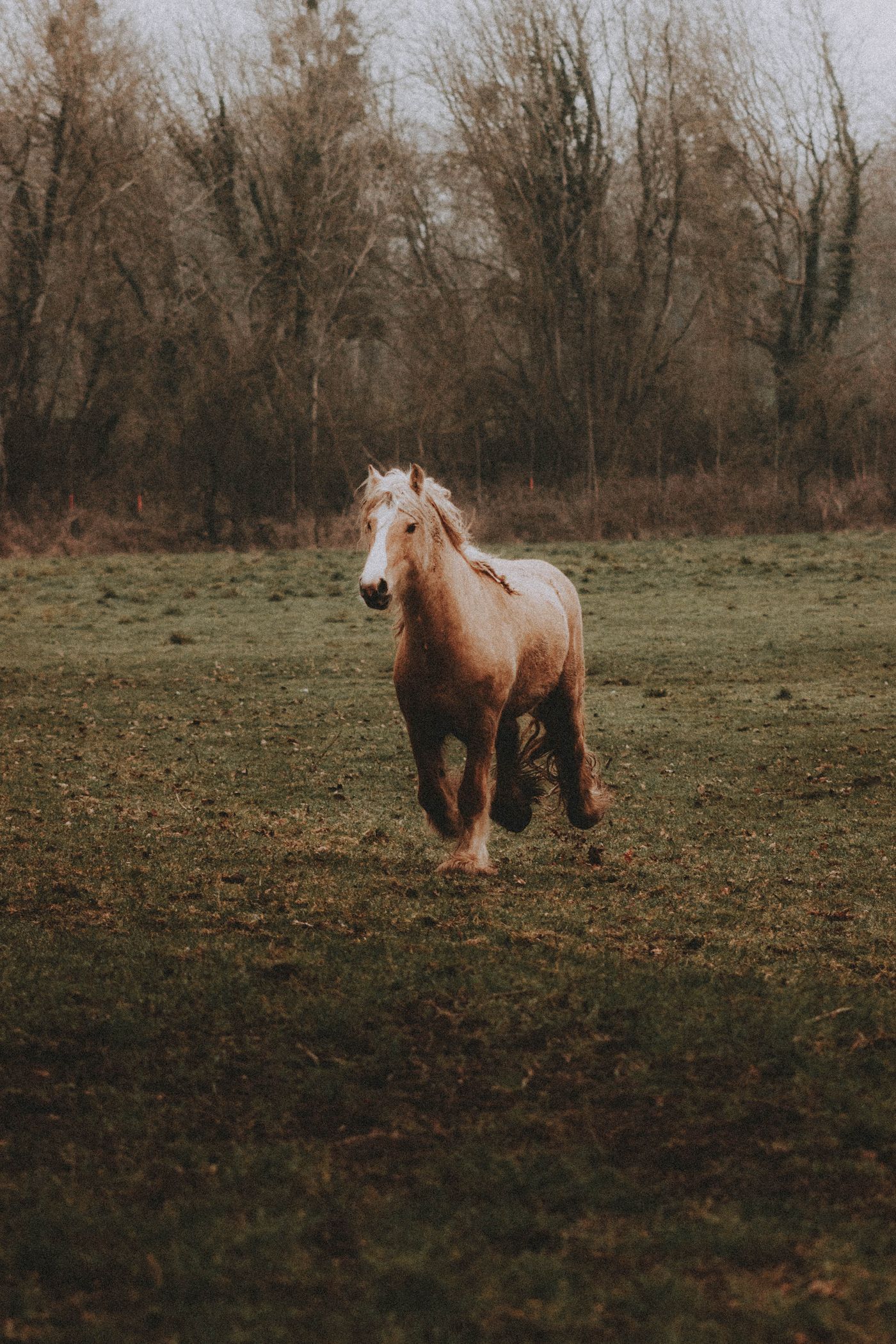
More than a means of transport
The Dothraki are introduced through a strong visual association with horses. Riding shapes how groups move, how authority appears and how martial confidence is displayed. A horse is therefore not merely equipment added to an otherwise familiar army. It belongs to the social image through which the television adaptation presents Dothraki life.
That presentation is also selective. The programme spends much more time on leaders, warfare and Daenerys's encounters than on ordinary economic or domestic activity. Viewers should be cautious about turning a small number of dramatic scenes into a complete ethnography of a fictional people. The adaptation's perspective limits what can responsibly be claimed.
Mobility creates advantages and limits
Mounted forces can generate speed and intimidation in open terrain. Their power is most visible when opponents cannot easily control the space of an encounter. But horses also need food, water and care. Treating cavalry as an inexhaustible wave obscures the living system that makes the dramatic charge possible.
Crossing the sea introduces a different kind of challenge. The imagery of movement changes from riding across land to travelling aboard ships, requiring infrastructure and cooperation beyond the familiar mounted world. This transition matters because it shows that military confidence in one environment does not automatically transfer to another.
A symbol can flatten people
The repeated pairing of horses with Dothraki identity is effective shorthand, but shorthand can become reductive. An audience may remember a spectacle of riders more readily than distinctions among individuals. A critical reading can appreciate the visual force while asking which aspects of the culture the show leaves underdeveloped.
When analysing a riding scene, attend to formation, terrain and the reactions of people being approached. Does the sequence establish an individual's relationship with an animal, or present the riders as an overwhelming collective? These choices shape whether we perceive character, institution or threat. The horse remains central in each case, but the meaning of that centrality changes with the camera's distance and the story's point of view.
Horses explain a form of mobility and status, but they should not stand in for a complete account of a people.
Another angle on the story.
The Night's Watch: An Institution with a Divided Purpose
The black cloak promises a new identity, but the order never fully escapes the society that supplies its recruits.
Read the essay
The Wall Is More Than a Barrier
Gates, lifts, tunnels and garrisons reveal the everyday machinery behind the immense northern defence.
Read the essay
Winterfell's Crypts and the Weight of Family Memory
Below the castle, stone figures turn ancestry into a place the living must enter.
Read the essay