Characters
Ned Stark: Mercy Behind the Sword
His downfall is not simply a lesson that honour loses. It is a collision between public duty and the protection of children.
Read the essayFollow a character, a question or a place. Search essay titles, introductions and section headings below.
85 articles
No essays match. Try a broader search or another subject.
His downfall is not simply a lesson that honour loses. It is a collision between public duty and the protection of children.
Read the essay
The direwolf suggests solidarity, but Stark survival depends on people whose loyalties extend beyond the family name.
Read the essay
Her decisions expose a political order that asks a family to behave like an army.
Read the essay
Costume helps trace a journey from performing somebody else's story to choosing how authority should look.
Read the essay
Disguise keeps Arya alive, but the names she remembers keep challenging her attempt to disappear.
Read the essay
His most consequential leadership choice is about a boundary, not a claim to a throne.
Read the essay
Access to the past changes Bran's role, but information does not automatically explain how a society should act.
Read the essay
A successful campaign can still fail when its coalition stops believing in the king conducting it.
Read the essay
Liberation, conquest and personal destiny become dangerous when a ruler treats them as the same thing.
Read the essay
Books help Tyrion challenge prejudice, but cleverness becomes a liability when he mistakes it for complete understanding.
Read the essay
Physical distance from the city mirrors a political habit of seeing subjects primarily as threats or an audience.
Read the essay
Losing the tool that defined him forces Jaime to confront the unstable relationship between reputation and conduct.
Read the essay
Brienne exposes the gap between a prestigious title and the work that gives it meaning.
Read the essay
His usefulness as an adviser comes from knowing that loyalty sometimes requires an unwelcome refusal.
Read the essay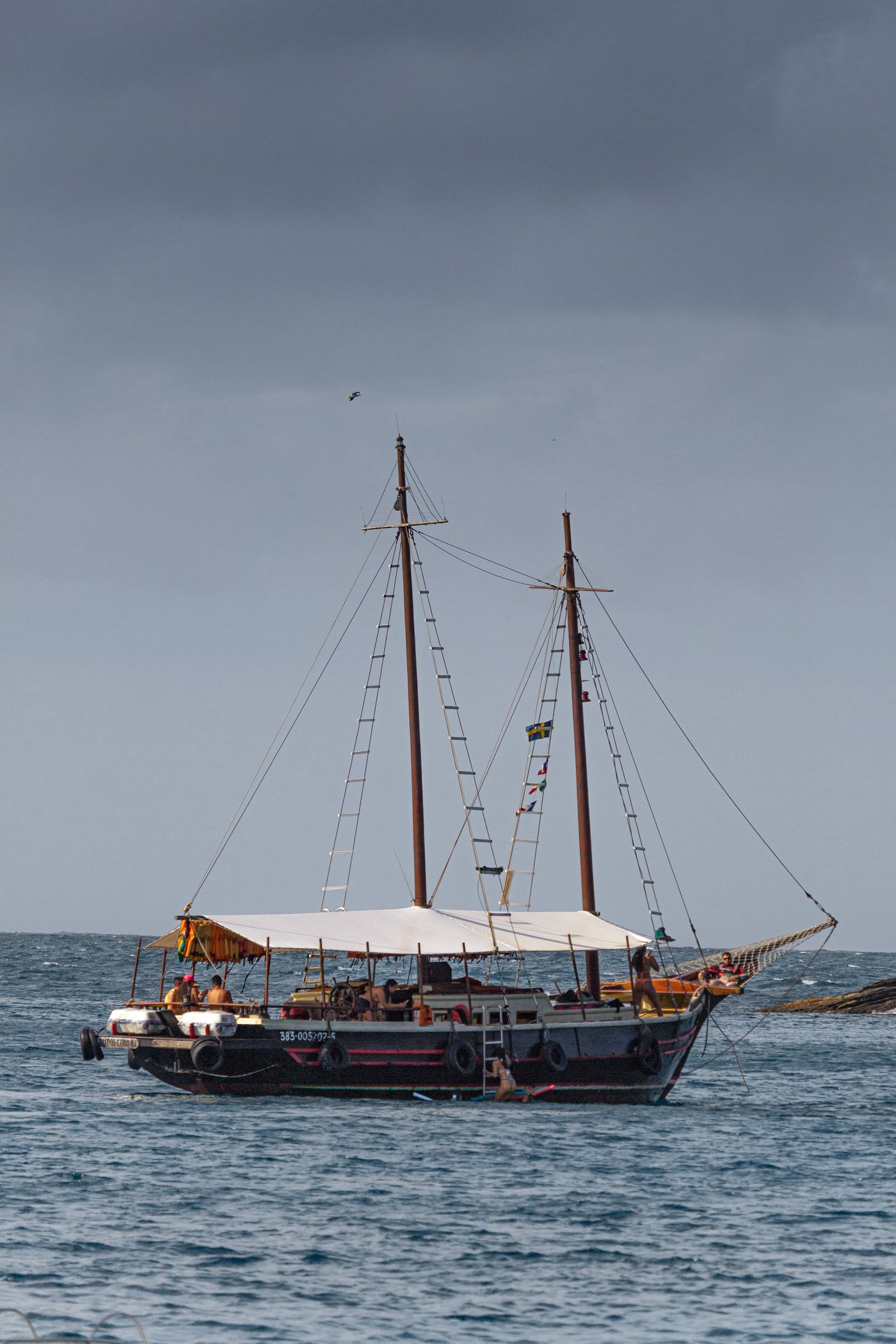
Theon's desire to prove where he belongs repeatedly obscures the people already standing beside him.
Read the essay
Sam's scholarship matters because he carries information out of safe categories and into difficult action.
Read the essay
An information network creates leverage, but secrecy makes an adviser's motives difficult to test.
Read the essay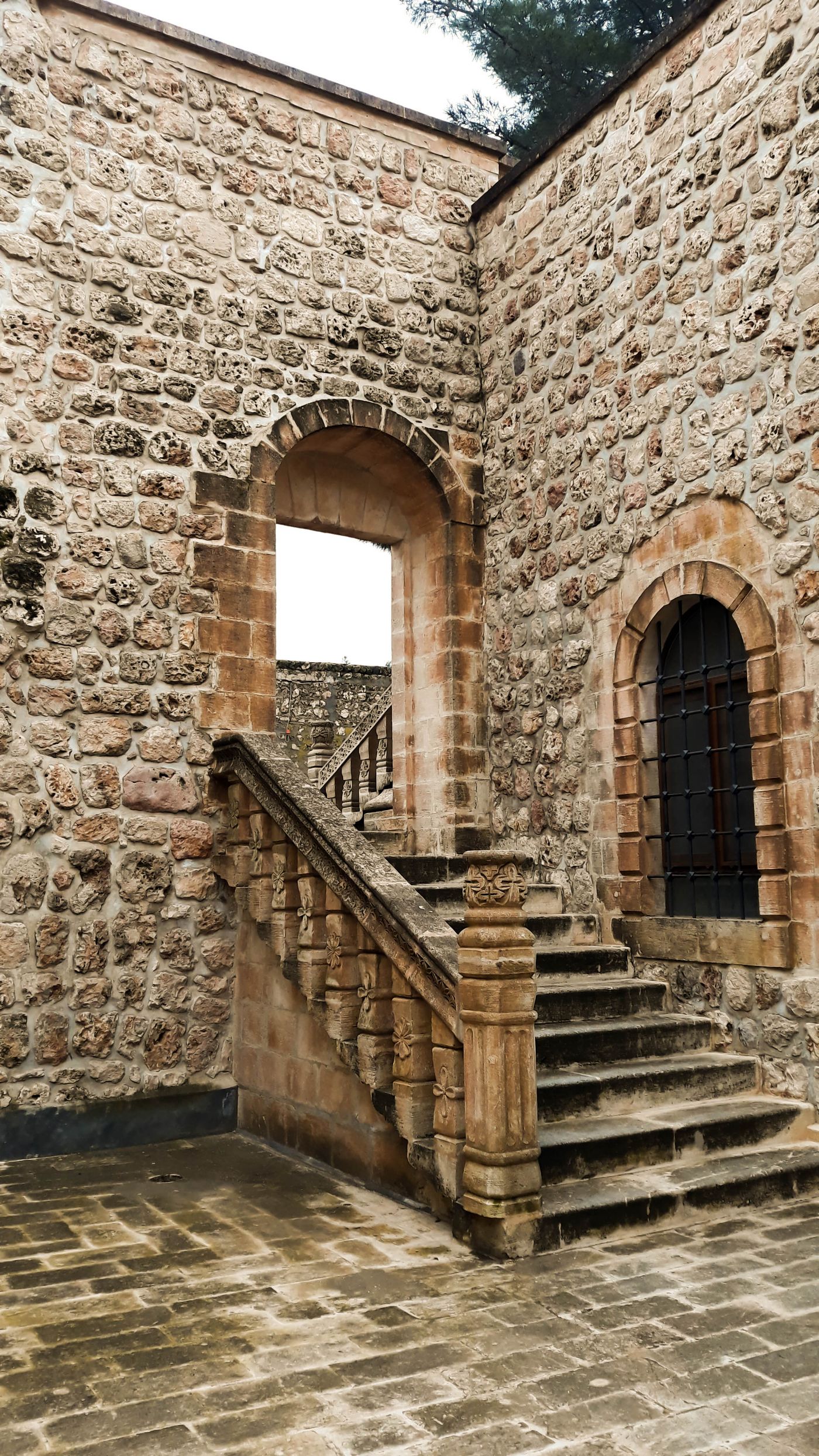
Instability creates opportunities for him, but it also destroys the trust he needs to remain useful.
Read the essay
A reputation for repayment creates leverage, but it cannot repair the relationships the family repeatedly damages.
Read the essay
Extraordinary force can establish a dynasty without giving it a reliable method of transferring authority.
Read the essay
Robert, Stannis and Renly embody different claims about what makes a ruler legitimate.
Read the essay
A culture that celebrates taking can struggle to value the less theatrical work of building a future.
Read the essay
The family's polished public image rests on an unglamorous foundation: resources that make other people's power possible.
Read the essay
Dorne's separation from the court offers room for a different perspective, but not immunity from its violence.
Read the essay
Family connections make the Tullys influential, but they also place conflicting demands on the same people.
Read the essay
A defensible refuge can preserve strength while allowing unhealthy dependencies to grow inside it.
Read the essay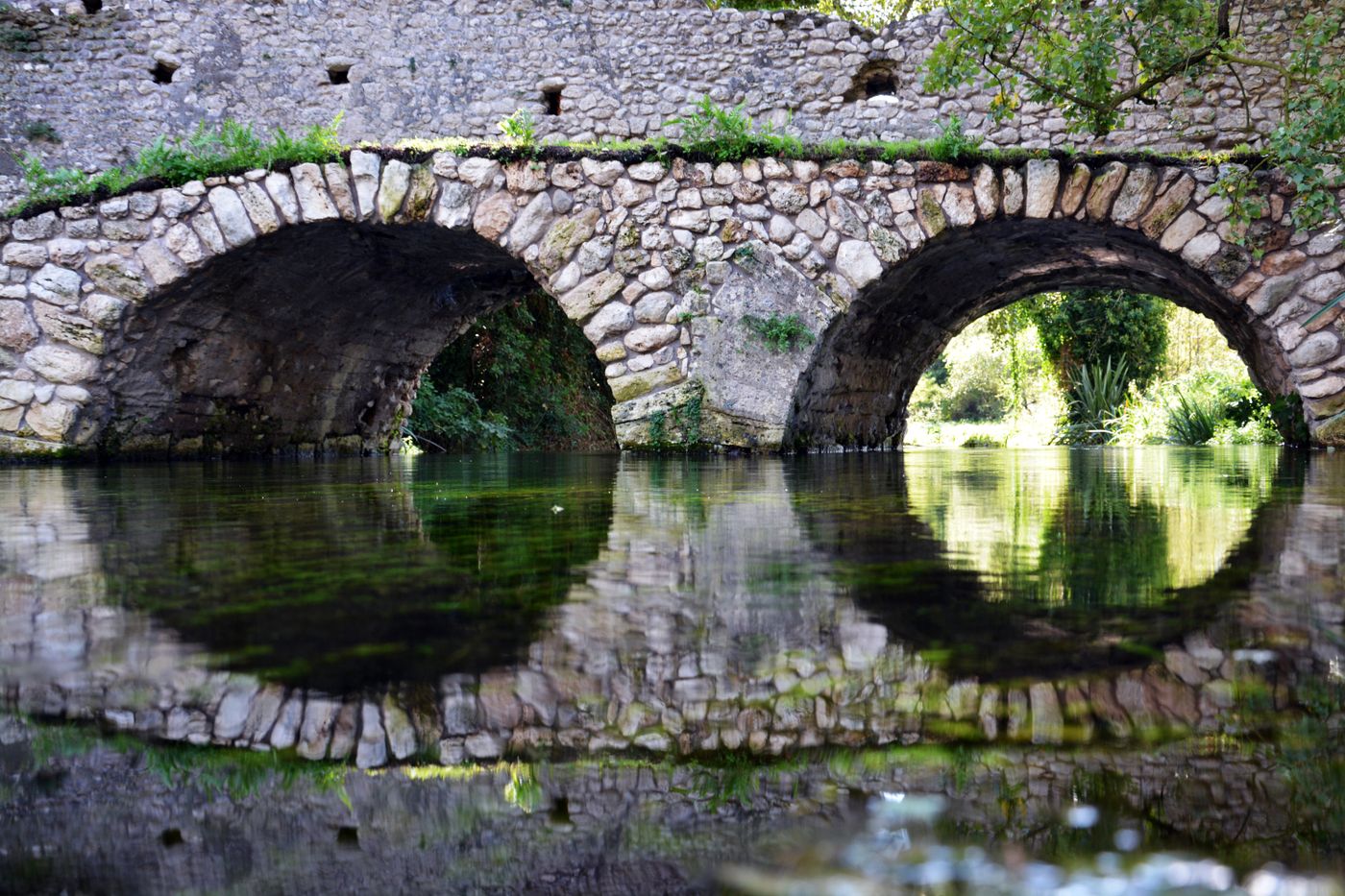
Controlling a crossing gives the Freys bargaining power. It does not automatically produce respect or lasting legitimacy.
Read the essay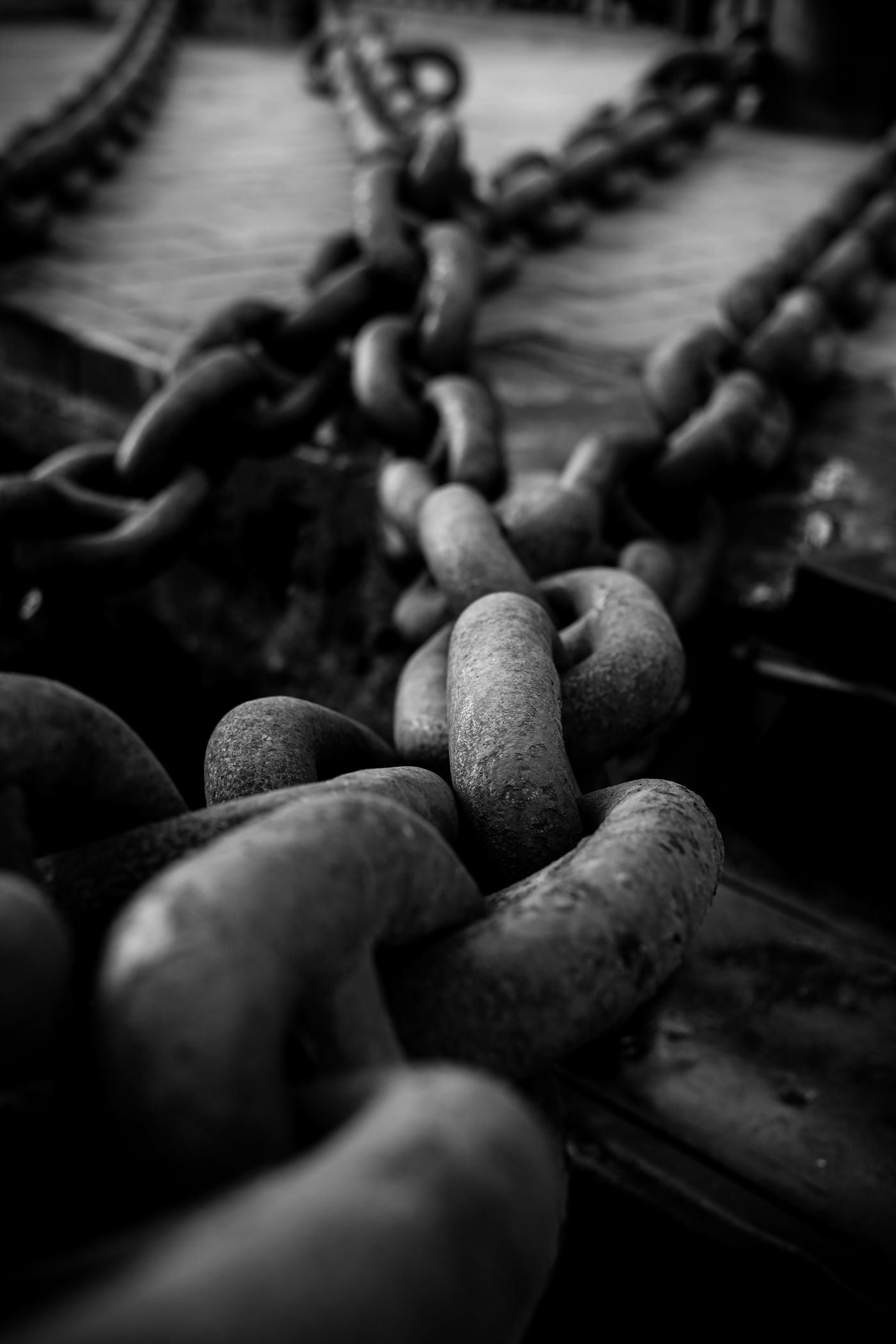
Terror can compel visible obedience while leaving a regime dangerously dependent on continued force.
Read the essay
The Mormonts show why political weight cannot be read from the size of an army alone.
Read the essay
The demand for a certain kind of heir exposes how a family can damage its future while claiming to protect it.
Read the essay
Local knowledge and quiet obligations can matter more than visibility at court.
Read the essay
A wedding can connect claims and resources without giving the people involved a shared purpose.
Read the essay
Inheritance, victory and recognition offer different answers to the question of who may rule.
Read the essay
Promises give Westeros a moral vocabulary—and create obligations that cannot always coexist.
Read the essay
Food supplies make the difference between possessing a city and being able to govern it.
Read the essay
The Red Wedding is an attack on a shared rule of hospitality as well as on a family.
Read the essay
A message becomes powerful only when someone can send it, interpret it and make it credible.
Read the essay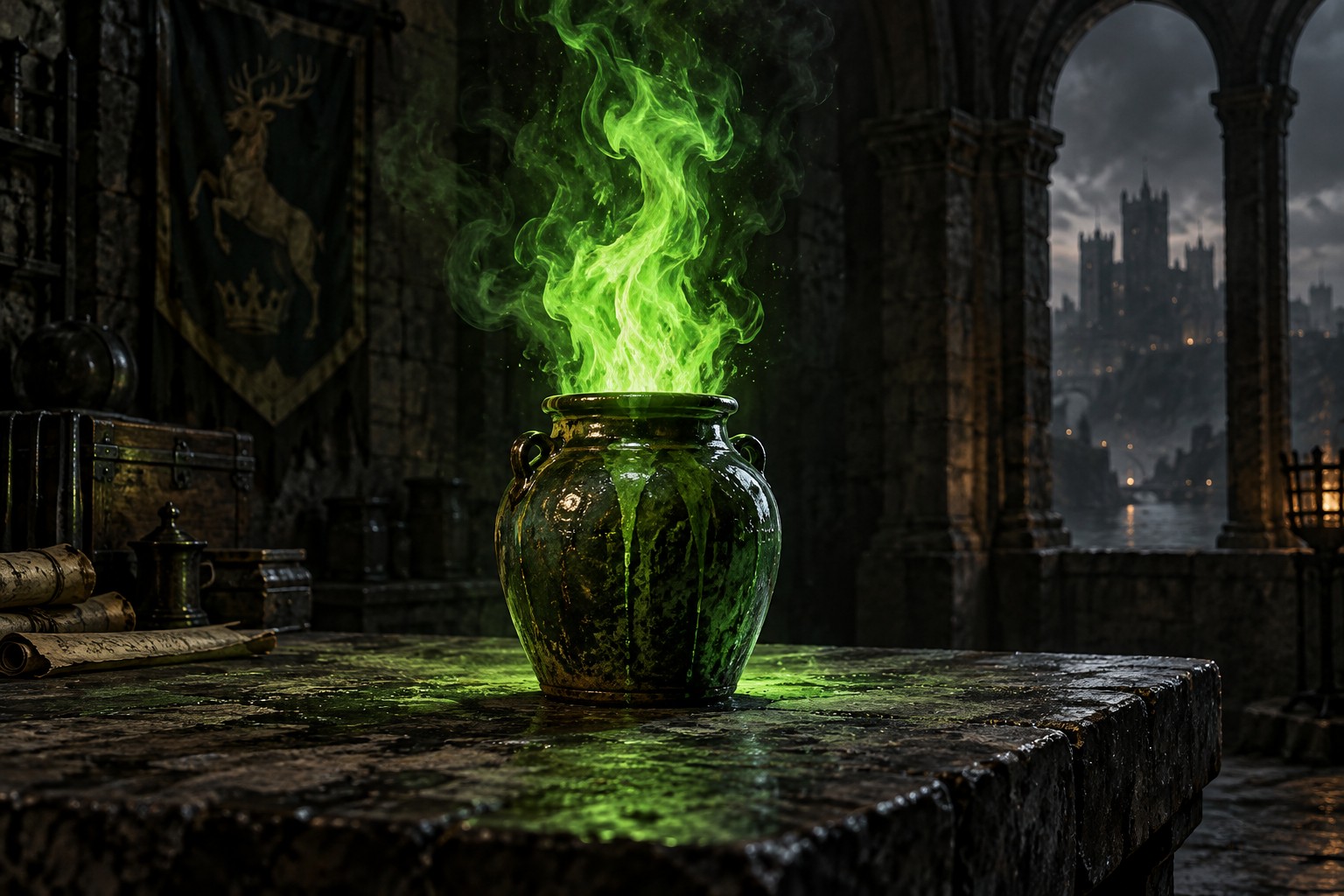
The green flame promises overwhelming power while exposing the danger of secret stockpiles.
Read the essay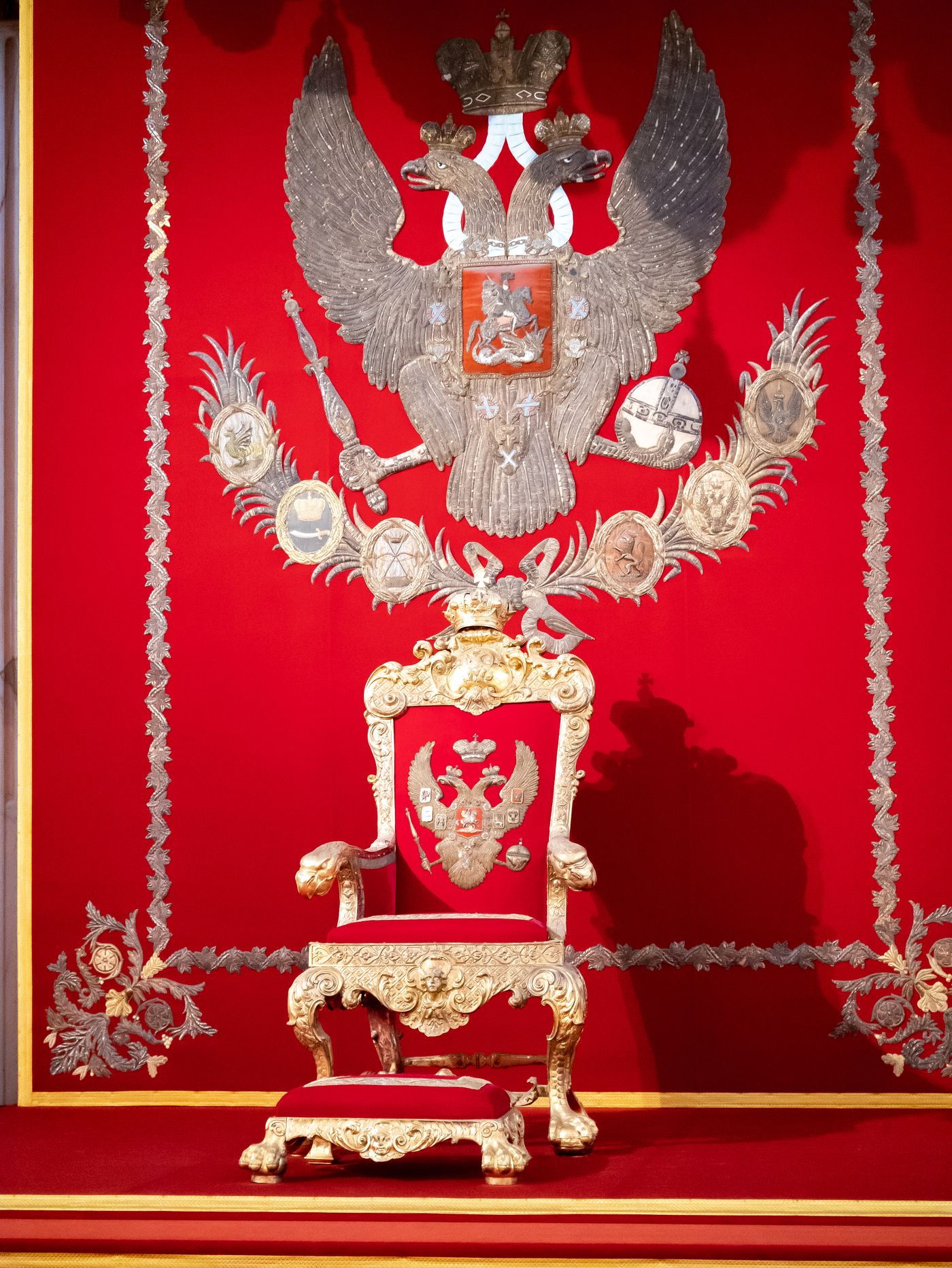
Rooms, clothing and ceremonies teach an audience how to recognise a ruler.
Read the essay
The Rains of Castamere turns remembered violence into a portable instrument of intimidation.
Read the essay
The view from a strategy table makes territory legible while making people disappear.
Read the essay
The approaching cold tests whether leaders can prepare for a danger that offers no immediate political reward.
Read the essay
Debt turns a distant institution into a participant in Westerosi succession.
Read the essay
The familiar metaphor obscures changing rules, partial knowledge and people who refuse to remain pieces.
Read the essay
Journeys through the Riverlands bring the civilian consequences of noble conflict into view.
Read the essay
Executions and trials by combat expose the difference between enforcing judgement and establishing truth.
Read the essay
Marriage ceremonies bring dynastic strategy, unequal consent and public performance into one room.
Read the essay
Disguise offers survival, but the series rarely lets a discarded identity disappear completely.
Read the essay
Beautiful images of destruction can draw viewers into the power the story asks them to question.
Read the essay
The northern barrier is both a defensive structure and a way of organising belonging.
Read the essay
A harbour offers possibility, but leaving Westeros requires access that not everyone possesses.
Read the essay
Broken castles and abandoned places make the cost of earlier victories visible.
Read the essay
The black cloak promises a new identity, but the order never fully escapes the society that supplies its recruits.
Read the essay
Gates, lifts, tunnels and garrisons reveal the everyday machinery behind the immense northern defence.
Read the essay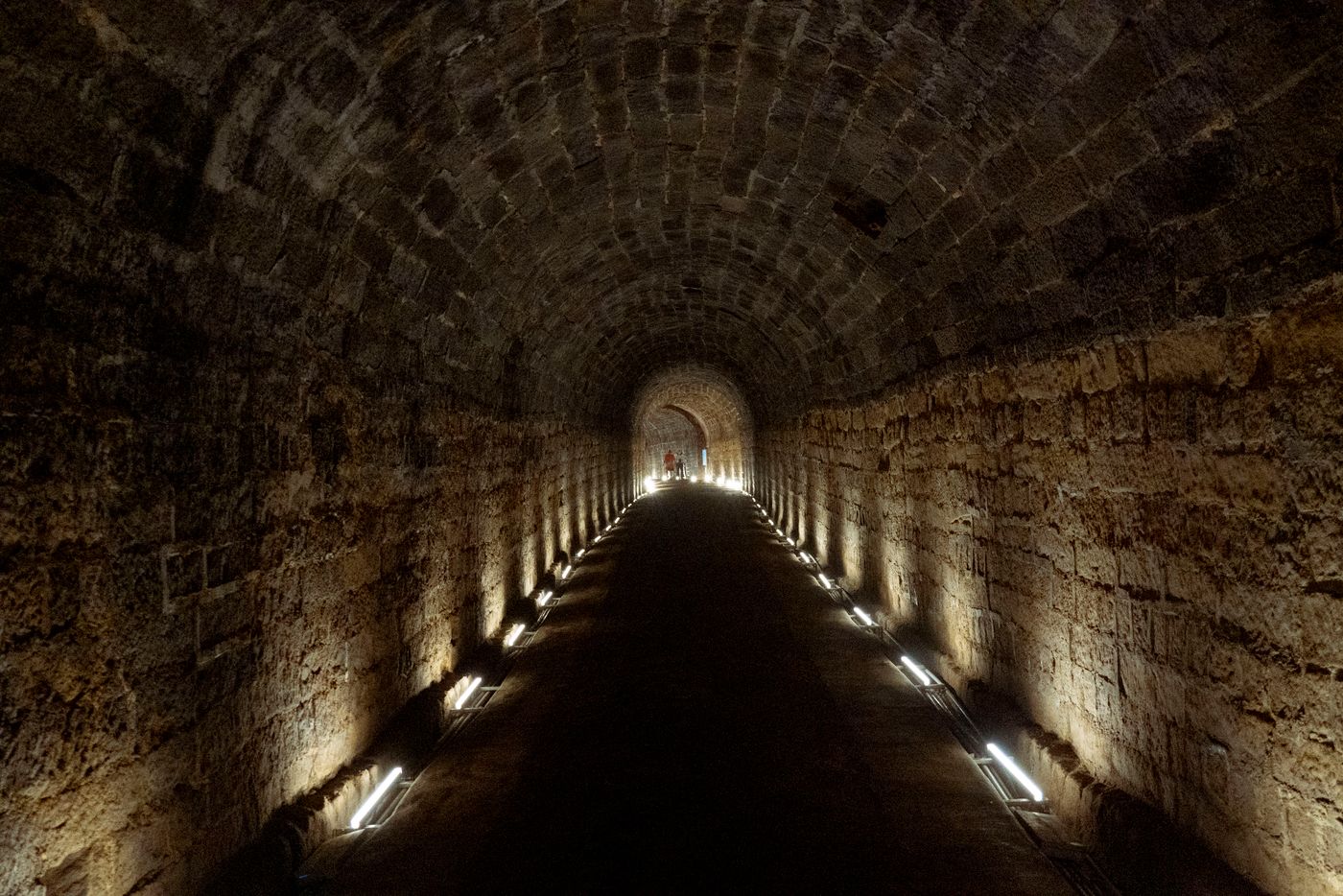
Below the castle, stone figures turn ancestry into a place the living must enter.
Read the essay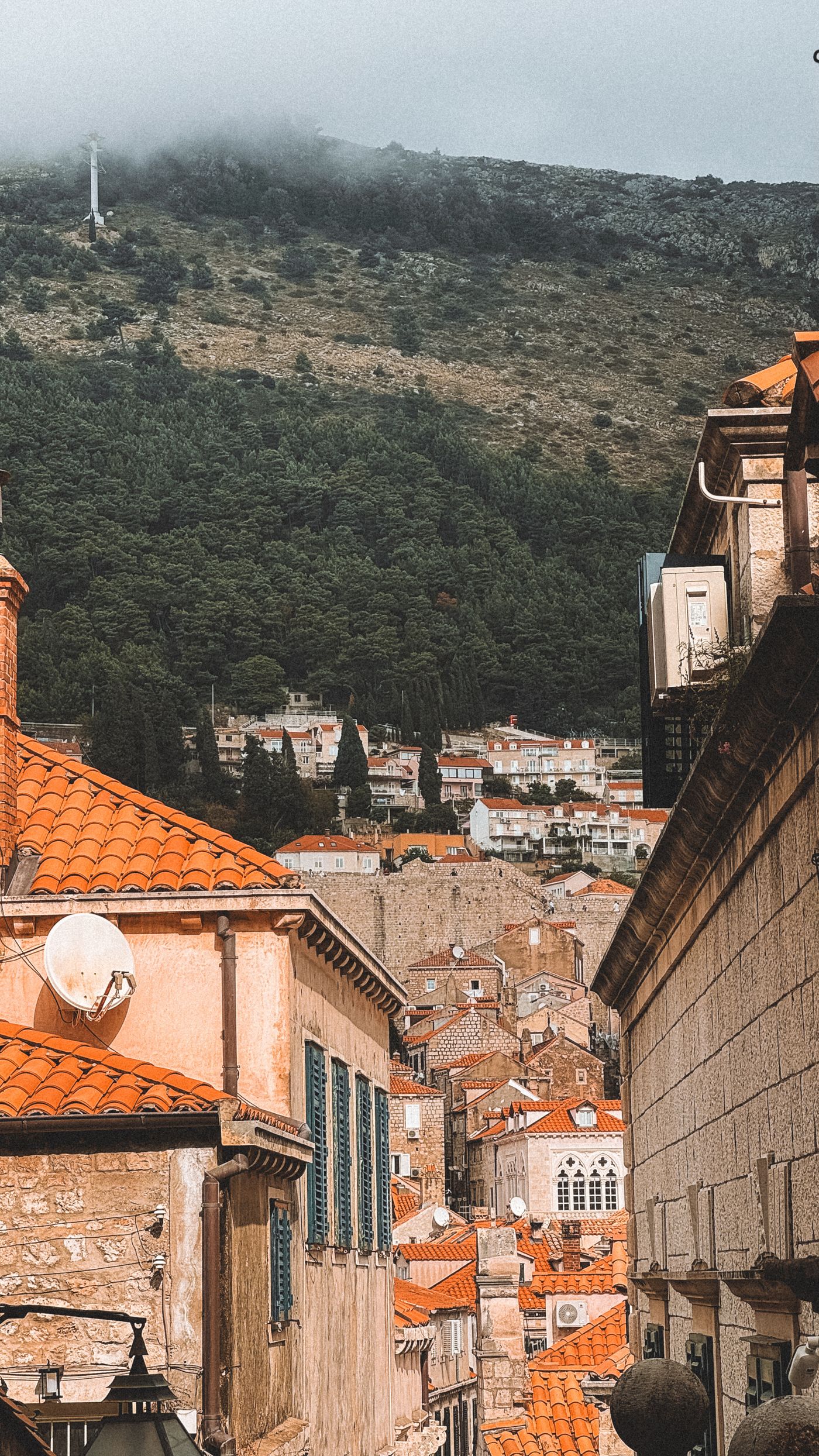
Markets, streets and crowds reveal a capital whose residents are not simply an audience for royalty.
Read the essay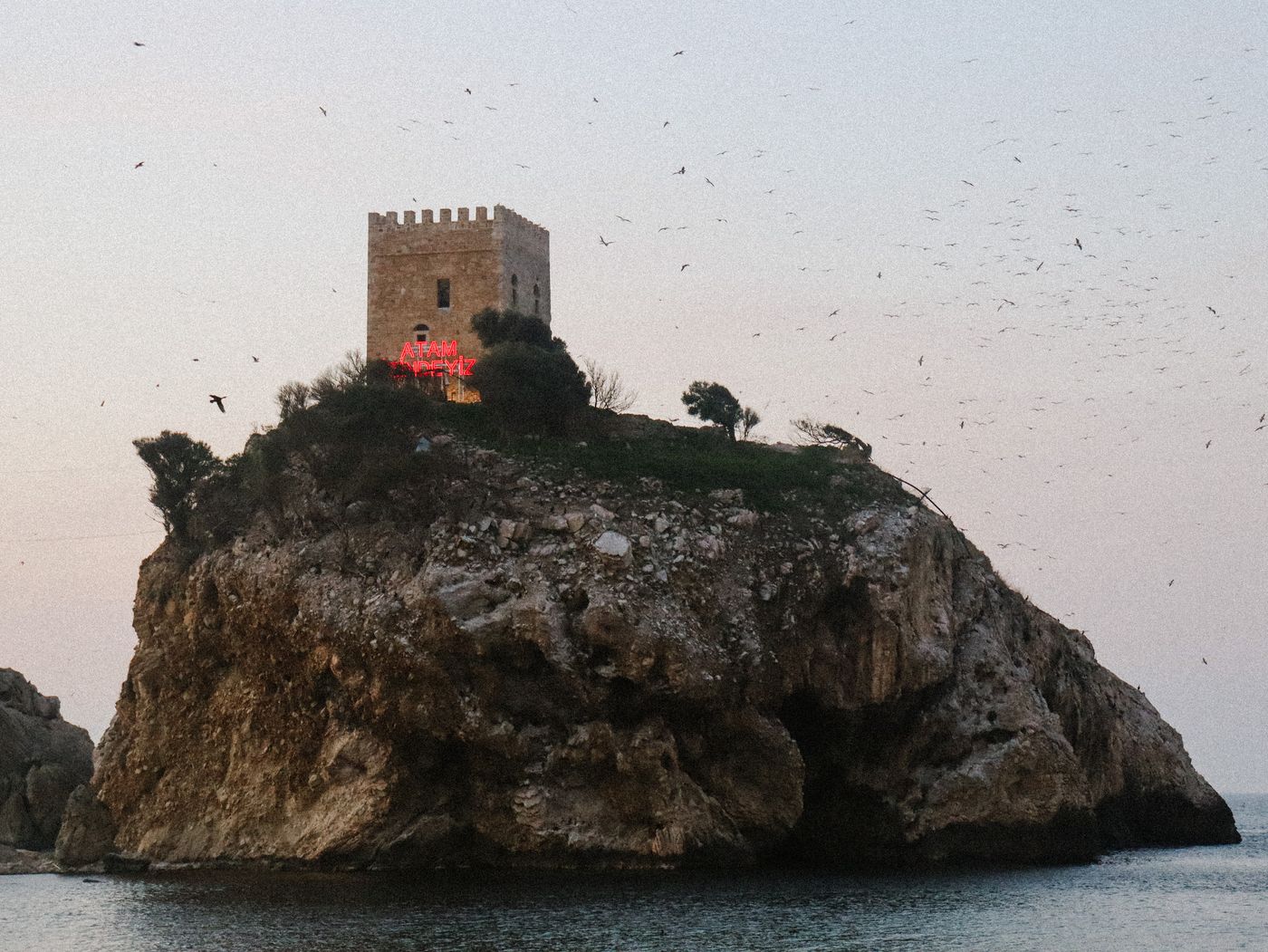
The island's position makes it a threshold rather than a simple seat of power.
Read the essay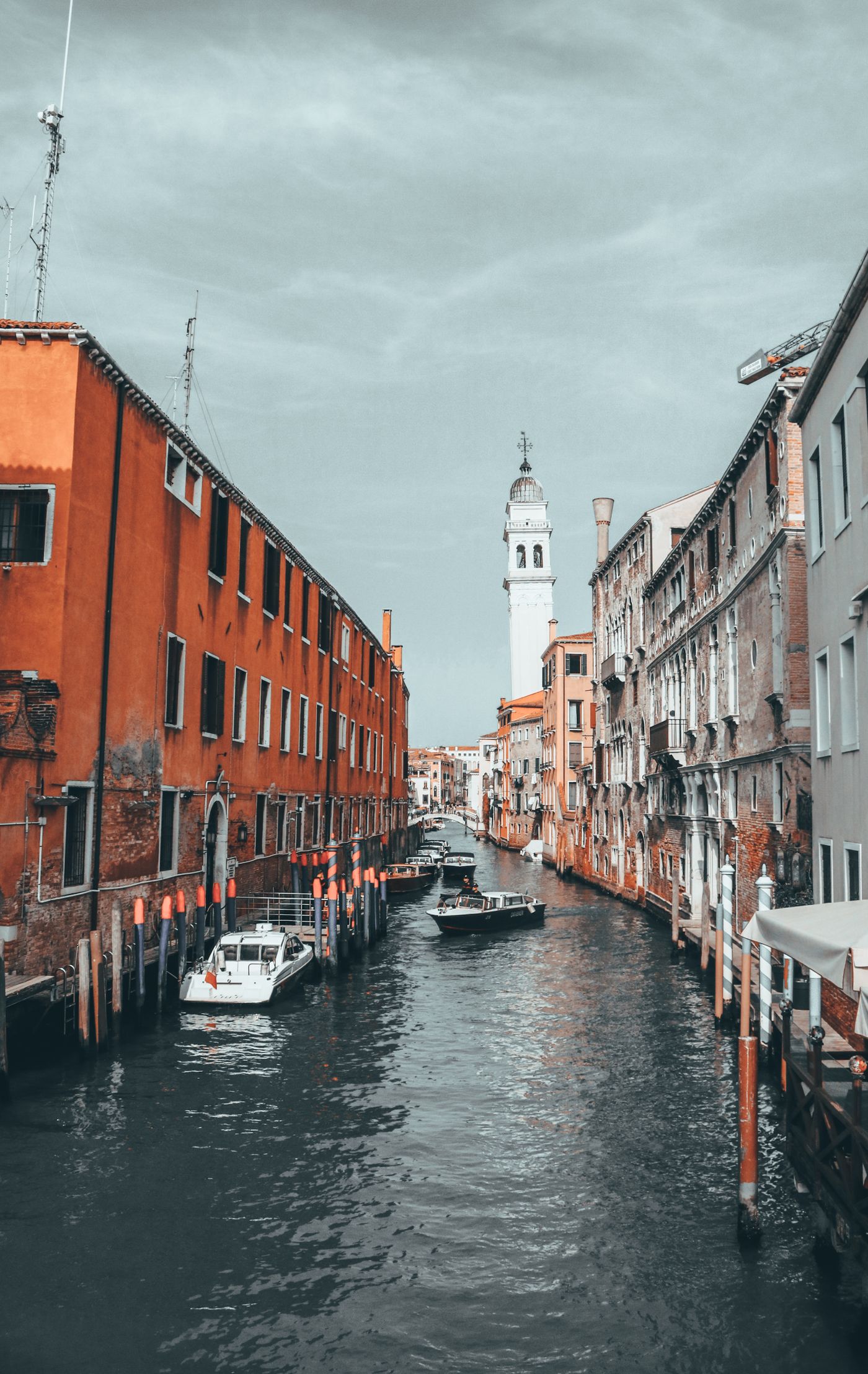
The House of Black and White offers skills and belonging on terms Arya cannot fully accept.
Read the essay
Sam's education reveals both the value of an archive and the limits of the institution that guards it.
Read the essay
Mobility, status and military strength are inseparable from the animals that sustain them.
Read the essay
The Stark animals express attachment without becoming simple mirrors of their human companions.
Read the essay
Daenerys's bond with her dragons does not remove the danger of treating living creatures as instruments.
Read the essay
The heart tree joins private reflection, inherited belief and the story's supernatural memory.
Read the essay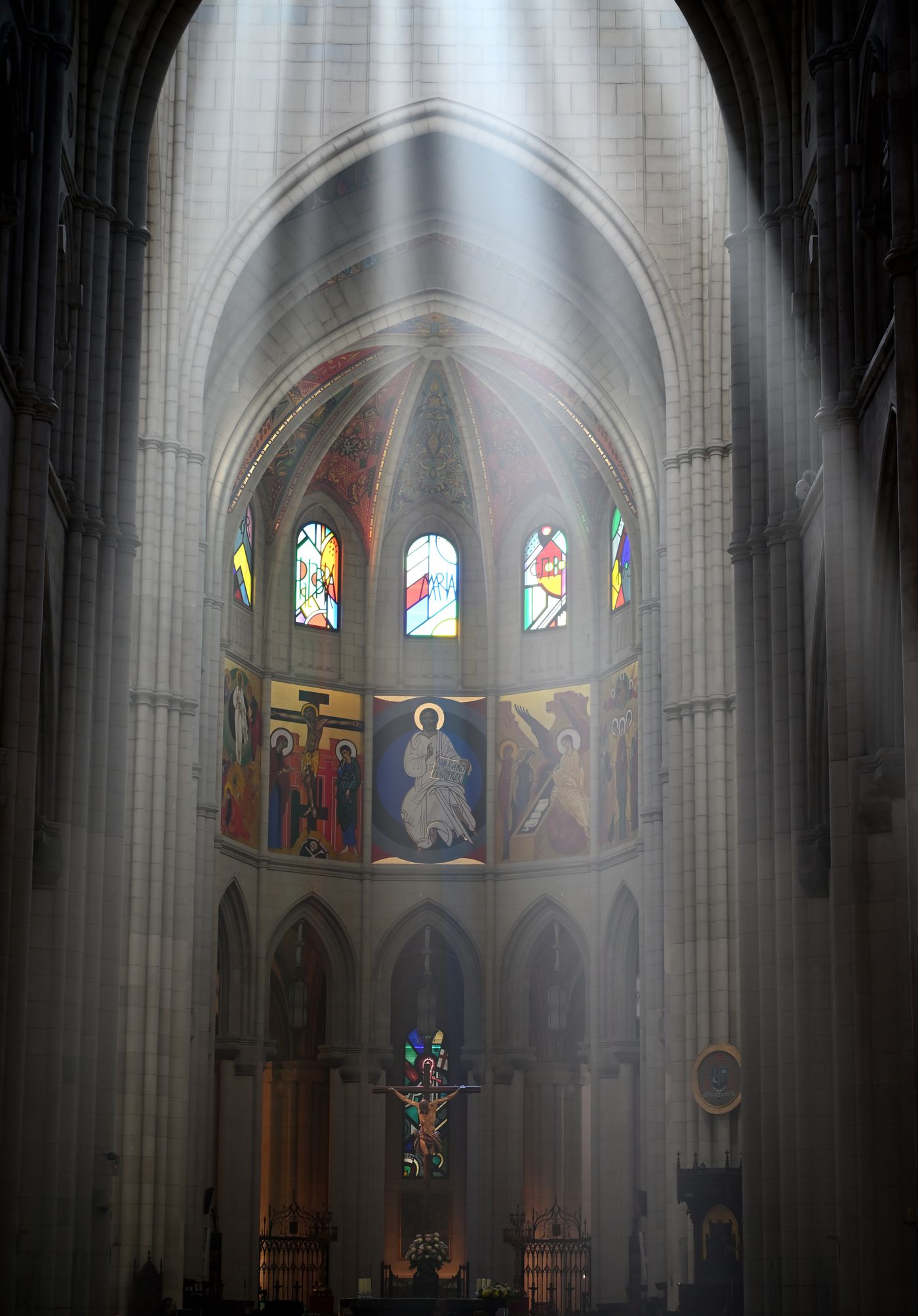
Religious institutions can support royal power, challenge it and create hierarchies of their own.
Read the essay
A supernatural event can be real while the explanation attached to it remains mistaken.
Read the essay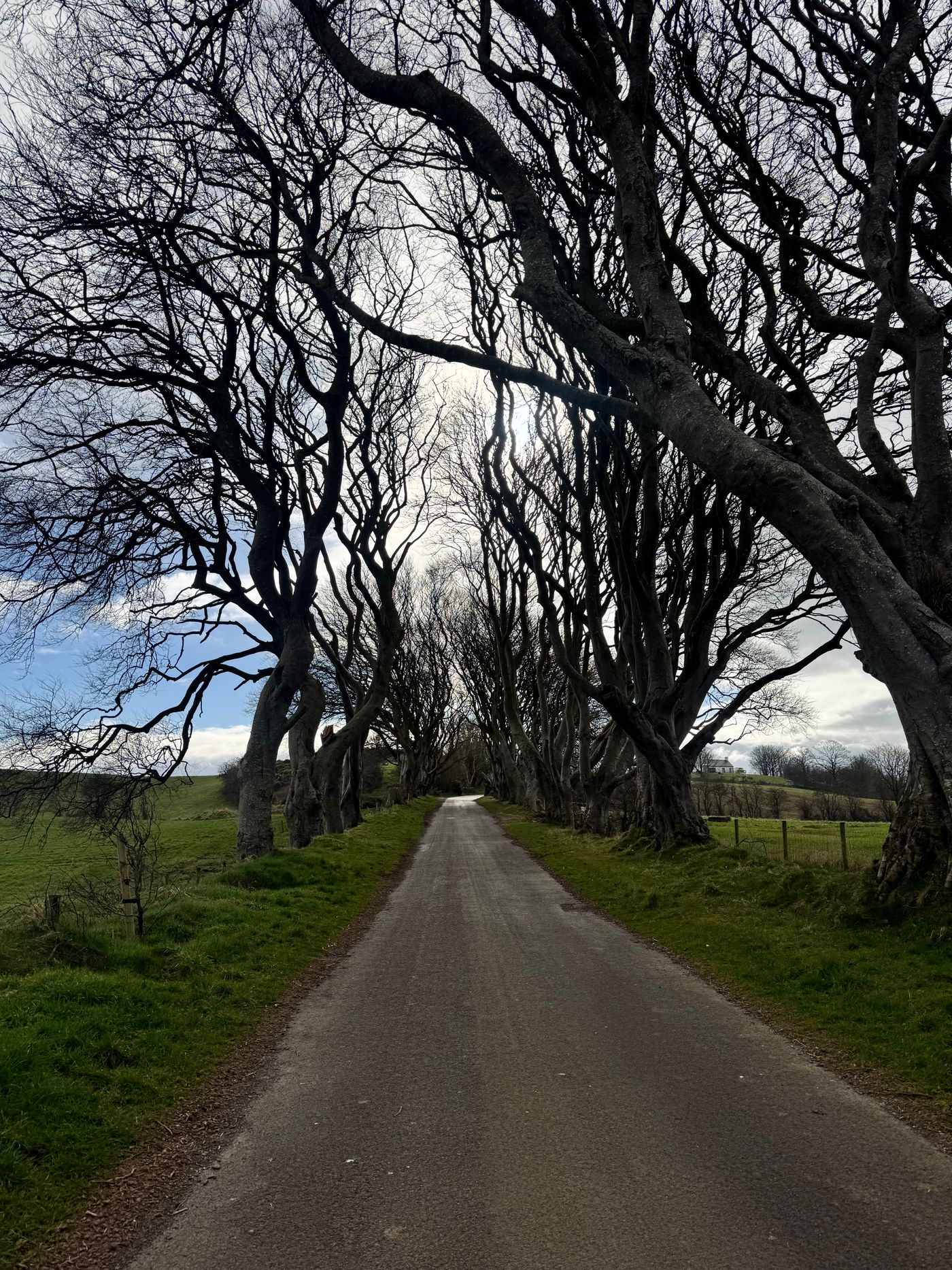
The Kingsroad is a brief screen appearance. The real avenue rewards a slower look at its trees, perspective and vulnerability.
Read the essay
A viewpoint chapter and a close-up do not give us the same kind of access. That difference changes how we judge almost every character.
Read the essay
Omitting a character also removes a question: what remains when grief survives but mercy does not?
Read the essay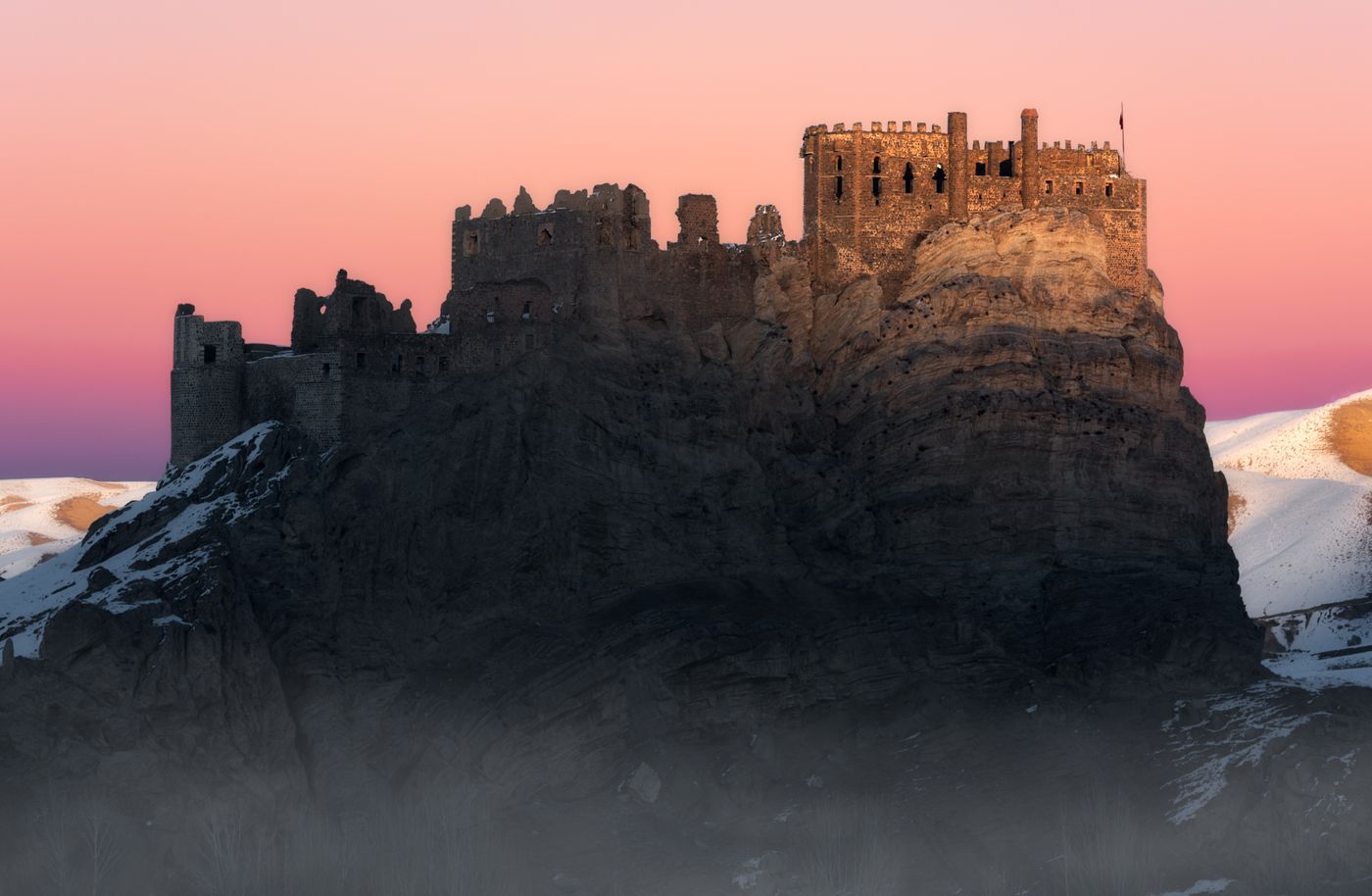
Transferring a Winterfell storyline changes more than its protagonist. It changes what the marriage is meant to prove.
Read the essay
Robb's marriage has a similar political consequence in both versions, but its emotional logic is strikingly different.
Read the essay
Beyond the name change, the two versions reveal different relationships between seamanship, political argument and inheritance.
Read the essay
A smaller screen family produces a faster conflict, but it also changes the number of competing ideas the islands can contain.
Read the essay
The book's threatening mass of blades and the television seat solve different visual problems.
Read the essay
On the page, a connection can continue without a reunion. That makes the distance from Nymeria feel very different.
Read the essay
An omitted revelation changes the emotional direction of an escape that otherwise looks familiar.
Read the essay
The novels use a young prince's mission to expose how dangerous familiar heroic expectations can become.
Read the essay
Understanding the split makes the reading order less confusing—and reveals why television seasons cannot be matched to books with a simple ruler.
Read the essay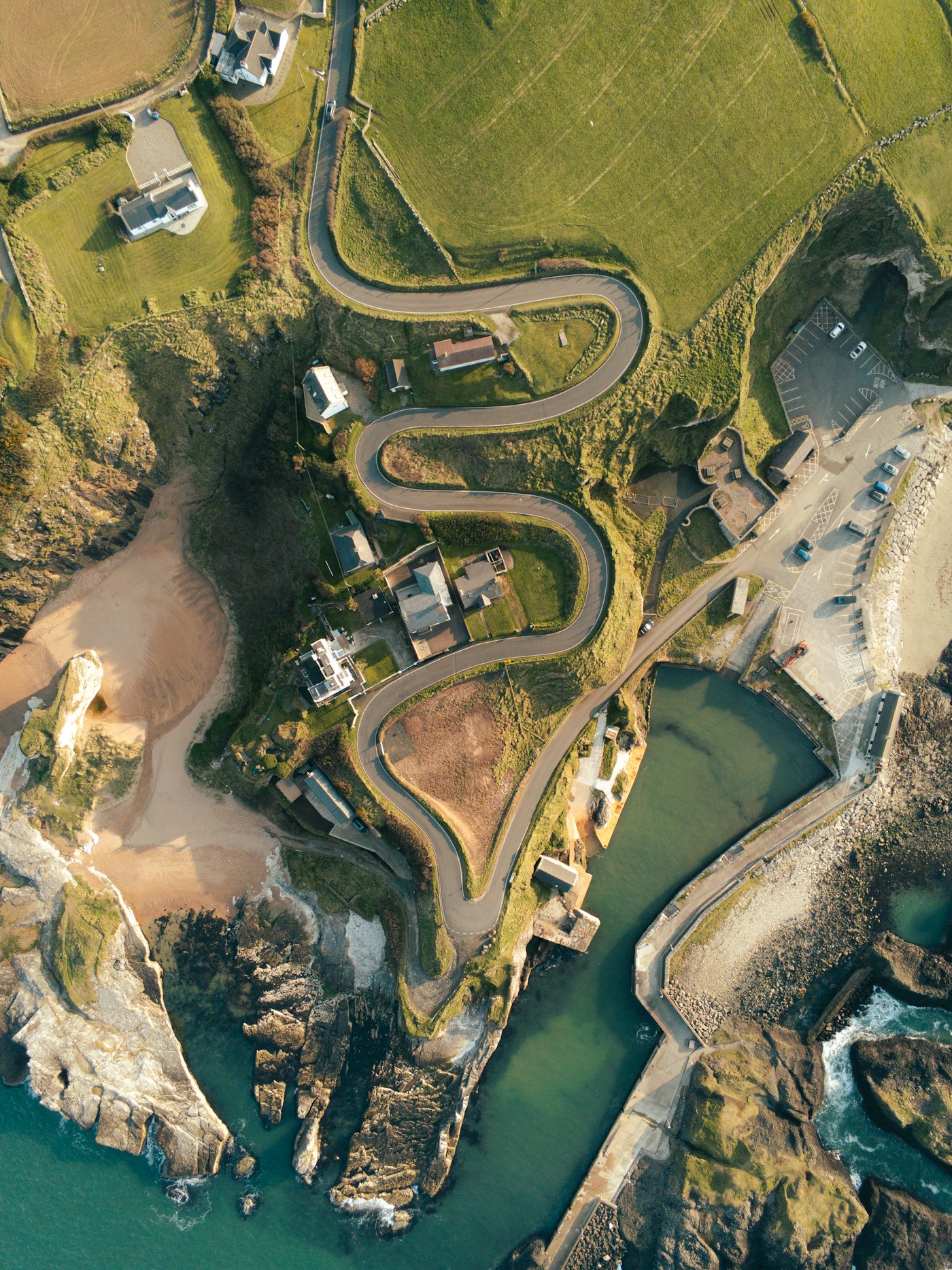
A small harbour supplied a convincing arrival in the Iron Islands. Its enclosed water and exposed coast explain why.
Read the essay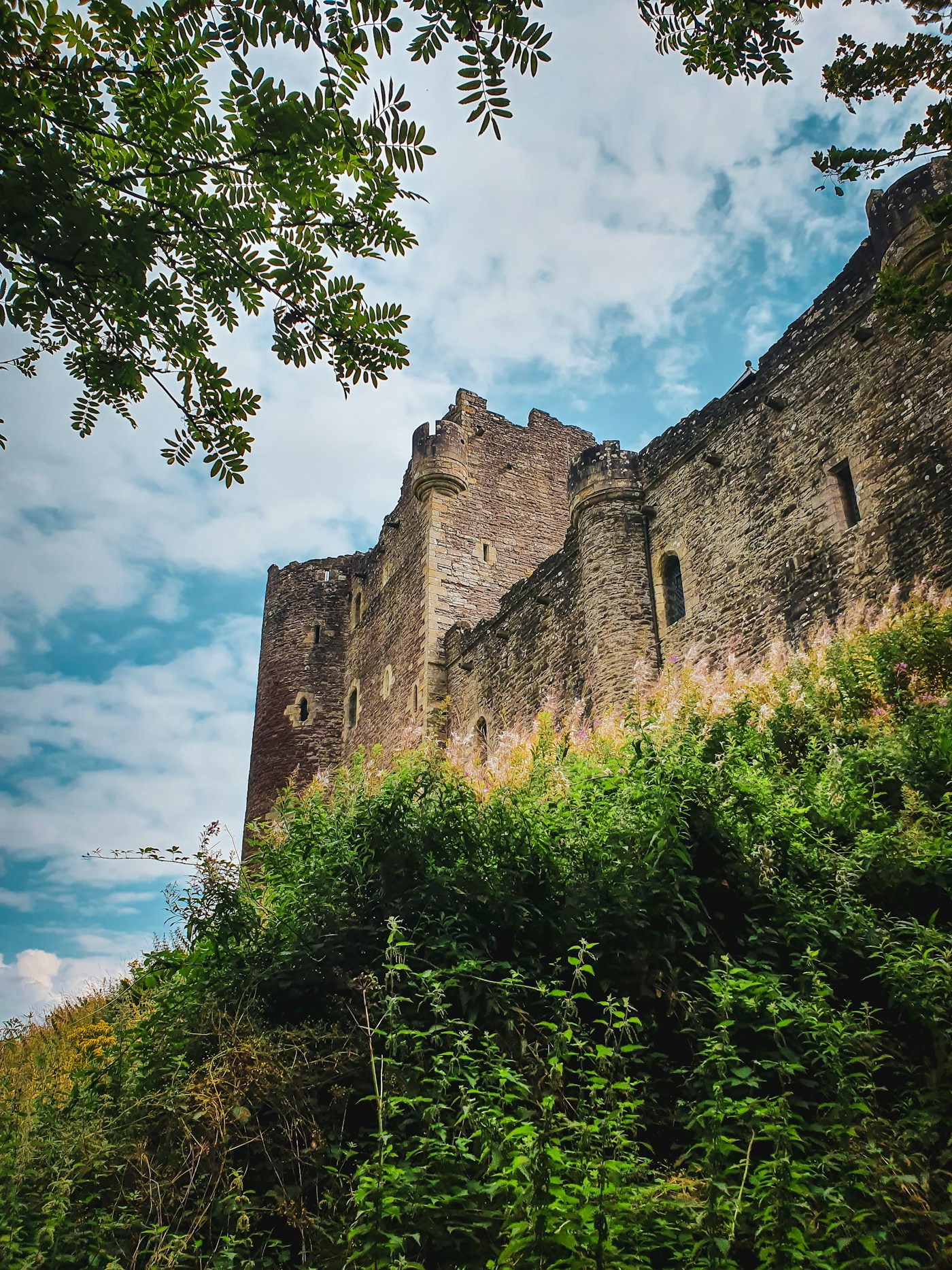
The pilot connection matters, but this Scottish castle is not a complete model of the Winterfell seen throughout the series.
Read the essay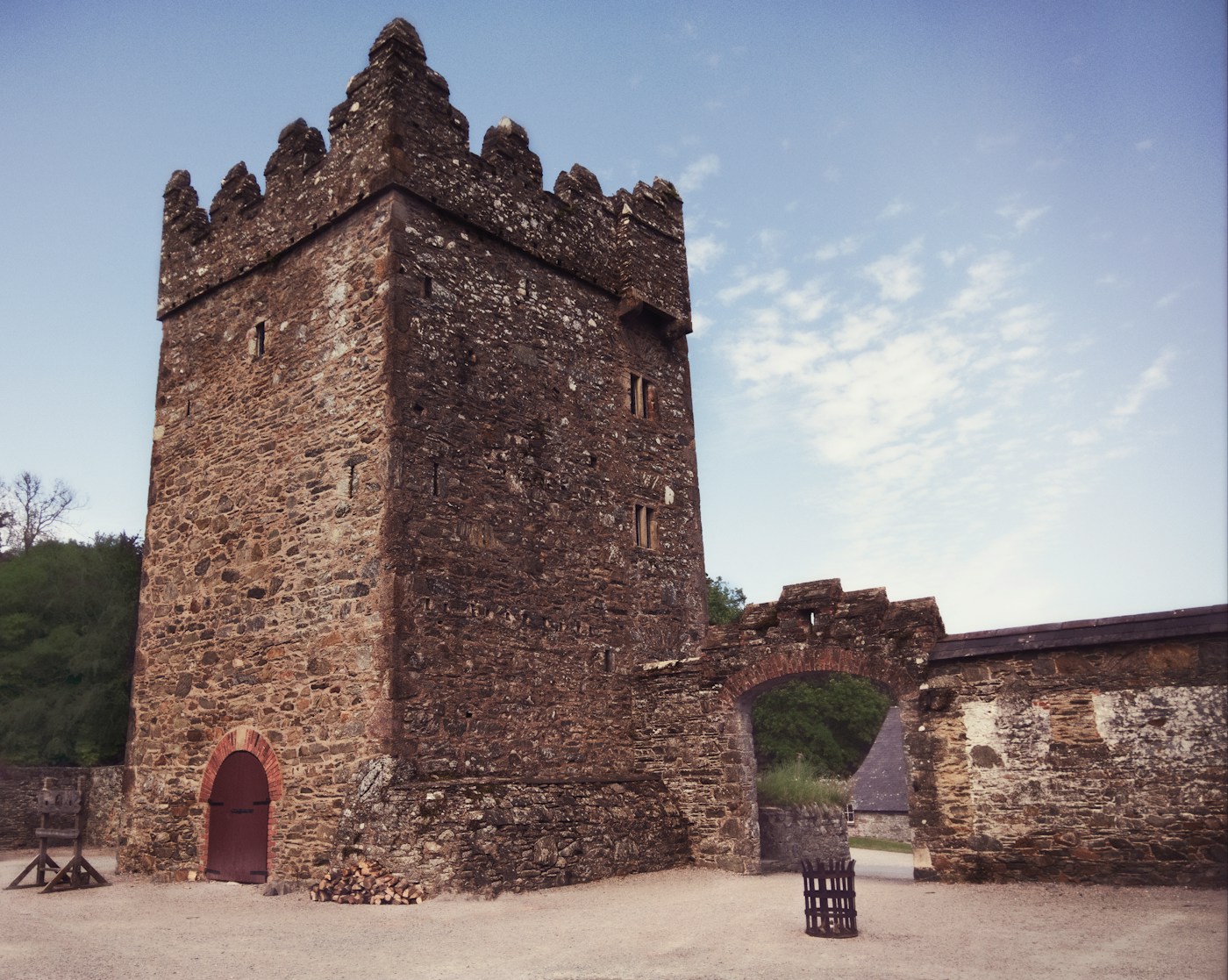
The historic farmyard, not the grand mansion, is the starting point for understanding how this estate became the Stark home.
Read the essay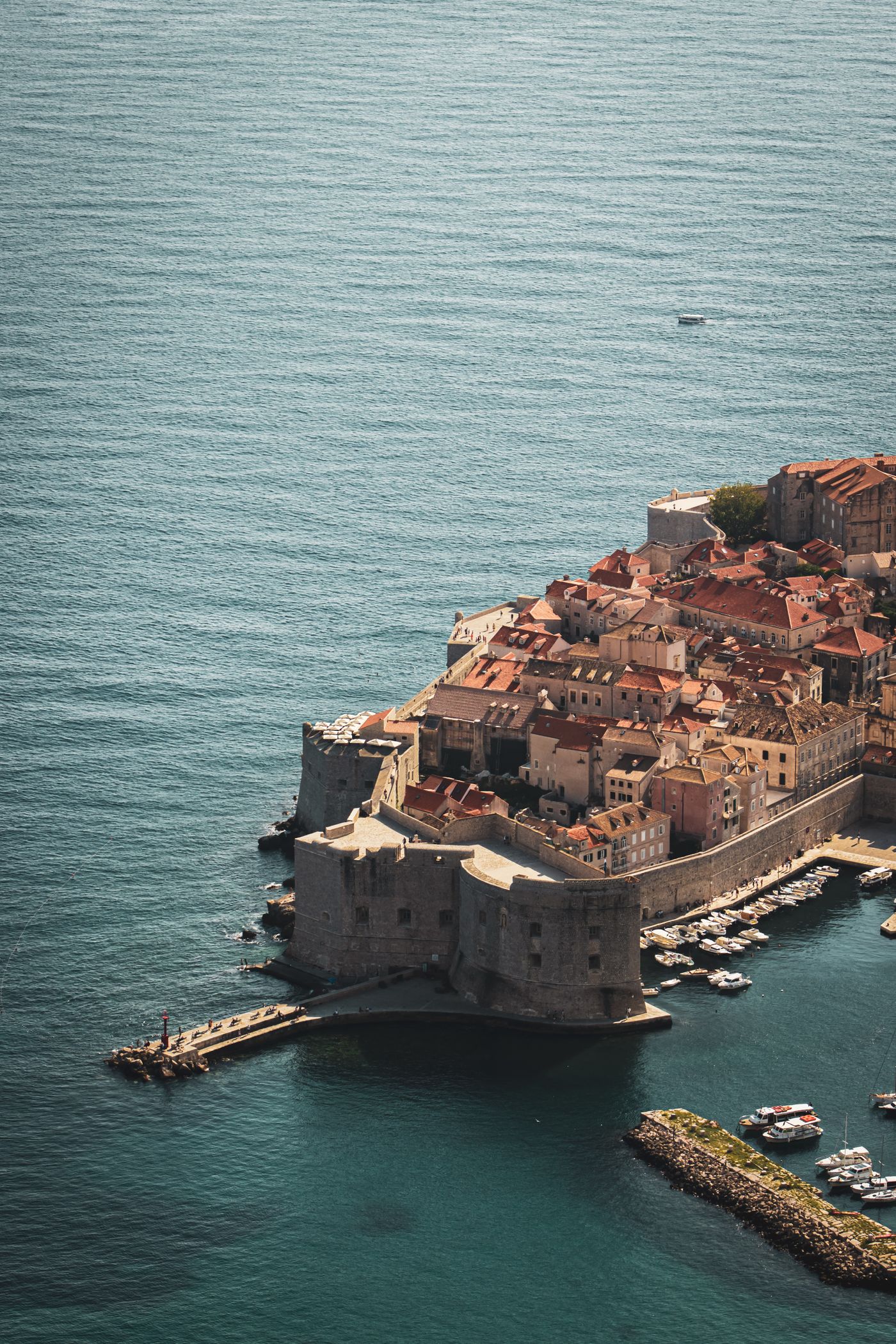
The capital's power comes partly from a change of viewpoint: roofs become a pattern, and people become difficult to see.
Read the essay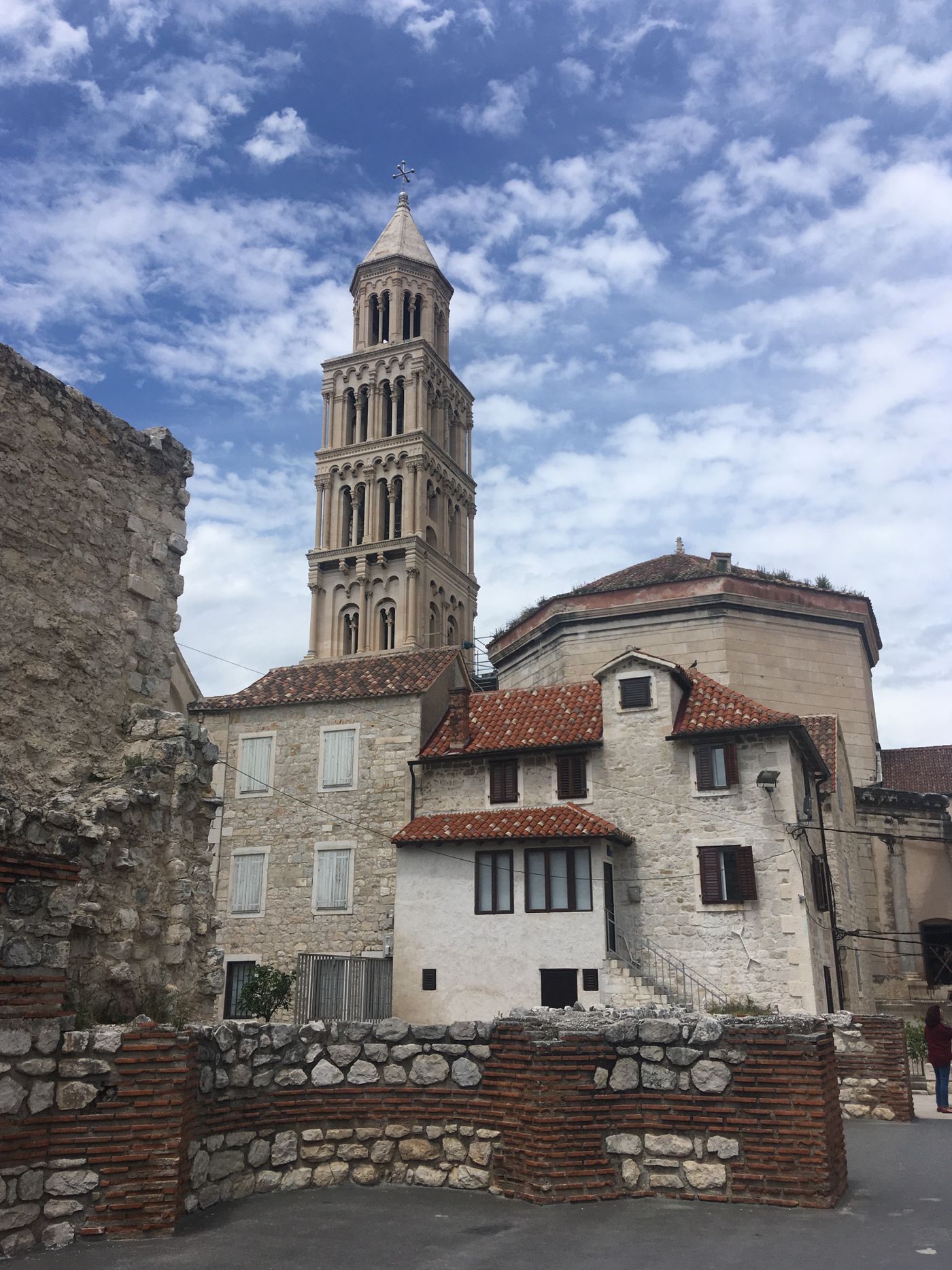
Roman stone chambers provided the weight that a digital creature needs. Above them, the palace remains part of a living city.
Read the essay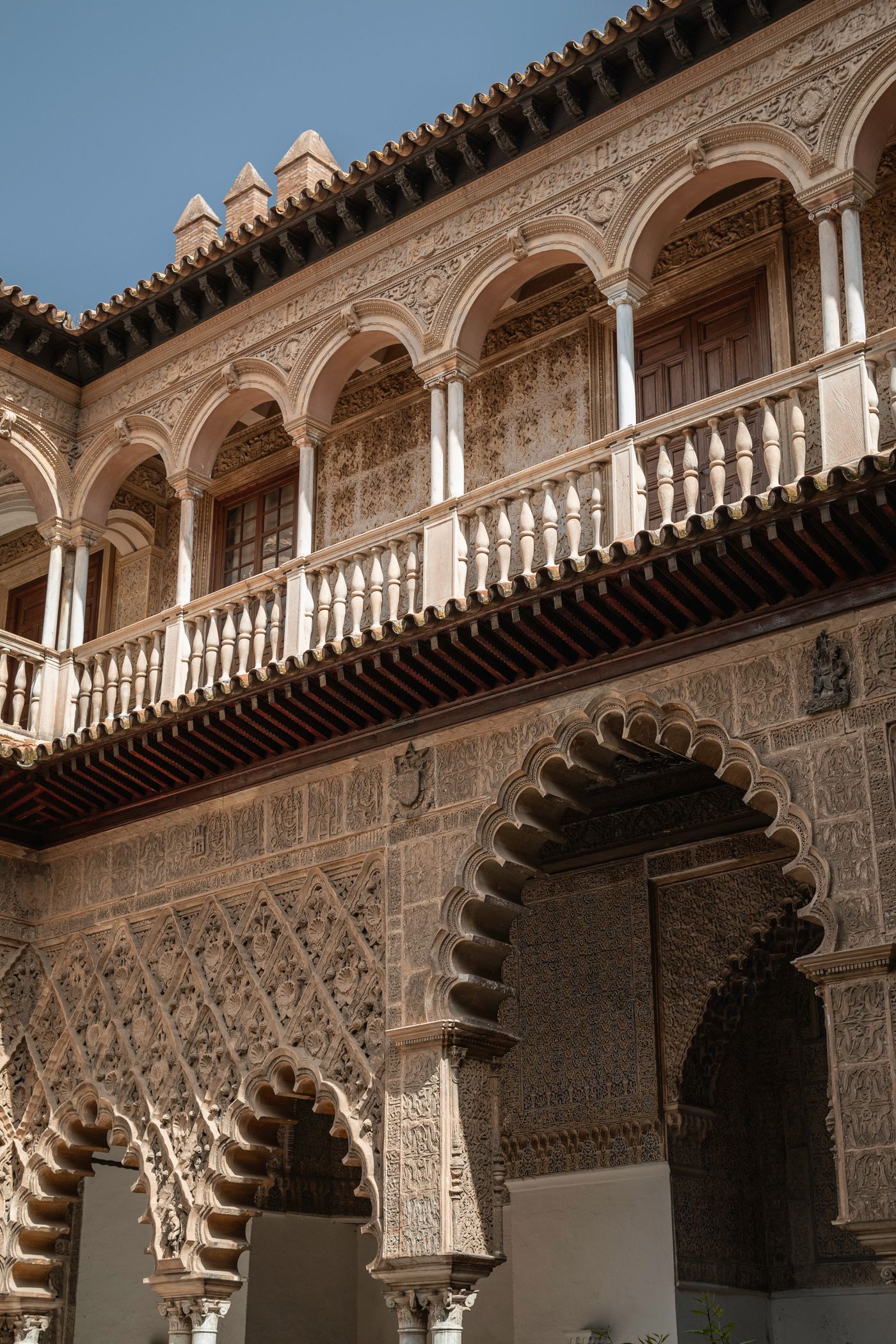
The Water Gardens look different from the northern strongholds for a reason: power is staged through cultivation rather than bare stone alone.
Read the essay
The winding ascent exists. The enormous fortress does not. Separating the two reveals how the location creates anticipation.
Read the essay
Iceland's rift landscape offers a way to think about the Vale, but its geology and assembly history are the deeper reasons to linger.
Read the essay