House Reed: The Value of Knowing the Marsh
Local knowledge and quiet obligations can matter more than visibility at court.
Spoiler scope: Game of Thrones, seasons 3–7.
A different map of usefulness
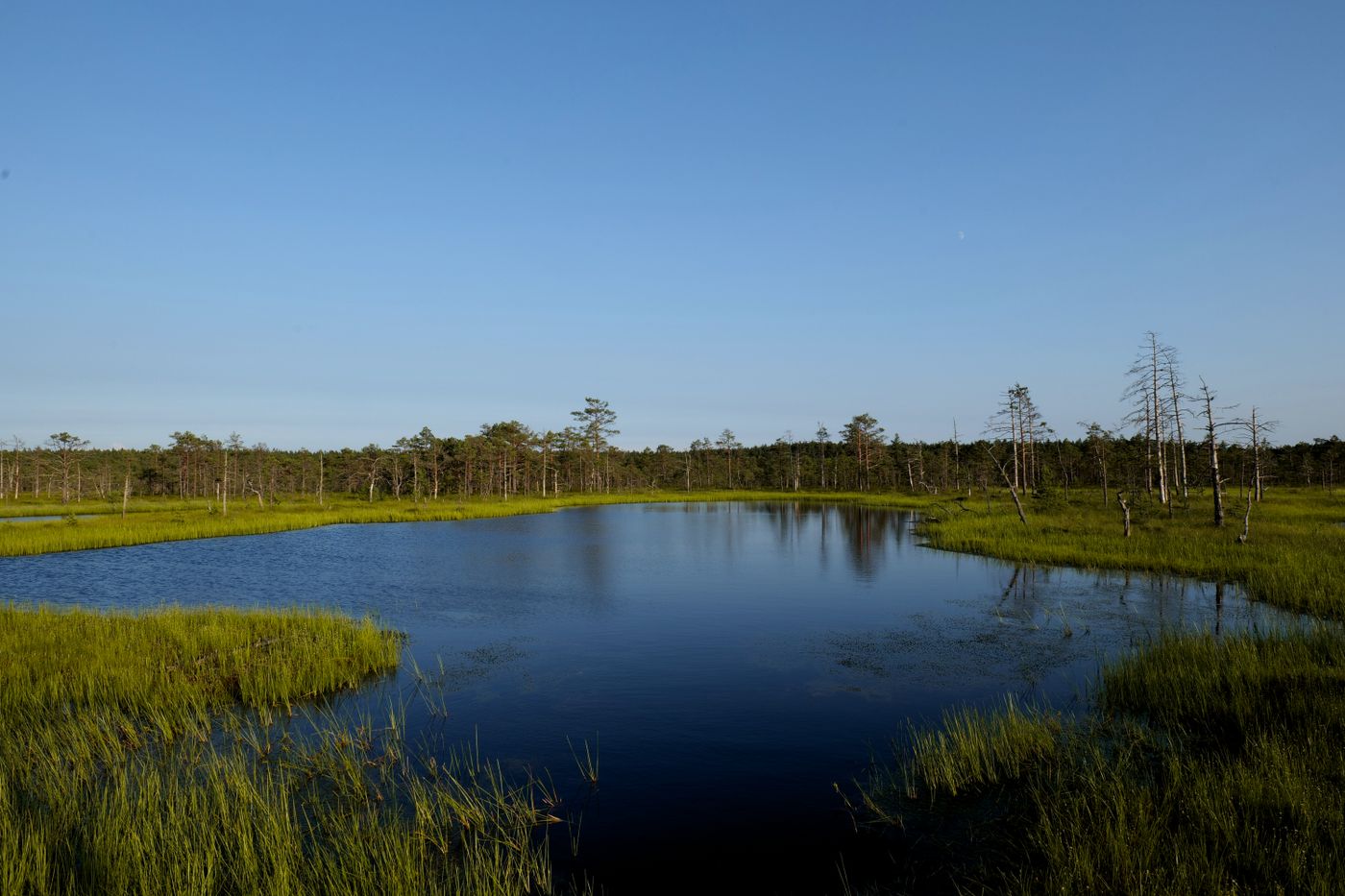
The Reeds enter the central story from a landscape that does not reward the same skills as a royal court. Marshland suggests difficult routes, unstable ground and the importance of knowing where to step. It provides a useful image for a family whose contribution is guidance rather than a conspicuous claim to rule.
That contrast should not become a claim that people from remote places are naturally wiser. The practical point is that expertise is situated. Someone impressive in one environment may depend entirely on another person's knowledge after crossing into unfamiliar conditions.
Guidance is also exposure
Jojen and Meera accompany Bran toward an objective none of them can fully control. Jojen's knowledge helps establish direction, while Meera's protection makes continued movement possible. Treating prophecy as the whole explanation would overlook the physical work that allows the journey to happen.
The siblings' involvement also demonstrates how an inherited relationship can create demands on people who did not originally make the promise. Loyalty between houses becomes a task carried by particular young people. Its cost is not distributed evenly.
Meera's later departure is important because gratitude cannot simply be assumed. Service may be necessary to another person's transformation and still leave the person who served feeling unseen. The narrative gives that imbalance a human consequence.
Look at the support around the chosen figure
Bran's significance can draw attention away from the people enabling his survival. A rewatch focused on the Reeds reverses that perspective. Who carries supplies, watches for danger or keeps going when the destination remains uncertain?
These questions make the marsh more than atmospheric scenery. It stands for a kind of knowledge that powerful institutions may overlook until they need it. House Reed's contribution is quiet, but not effortless or expendable. The story becomes richer when guidance is recognised as labour, and when the cost of that labour remains visible after the person being guided reaches a new role.
The Reeds make the support behind an extraordinary journey visible, including the cost borne by its guides.
Another angle on the story.

House Stark: What the Wolf Leaves Out
The direwolf suggests solidarity, but Stark survival depends on people whose loyalties extend beyond the family name.
Read the essay
House Lannister: Gold Is Not the Same as Trust
A reputation for repayment creates leverage, but it cannot repair the relationships the family repeatedly damages.
Read the essay
House Targaryen: A Dragon Does Not Solve Succession
Extraordinary force can establish a dynasty without giving it a reliable method of transferring authority.
Read the essay