House Arryn: The Falcon and the Fortress
A defensible refuge can preserve strength while allowing unhealthy dependencies to grow inside it.
Spoiler scope: Game of Thrones, seasons 1–7.
Height changes the calculation
The Eyrie presents security as a physical arrangement. Height, difficult approaches and distance make the usual instruments of coercion harder to apply. The setting explains why the Vale can remain a consequential reserve of power while other regions exhaust themselves.
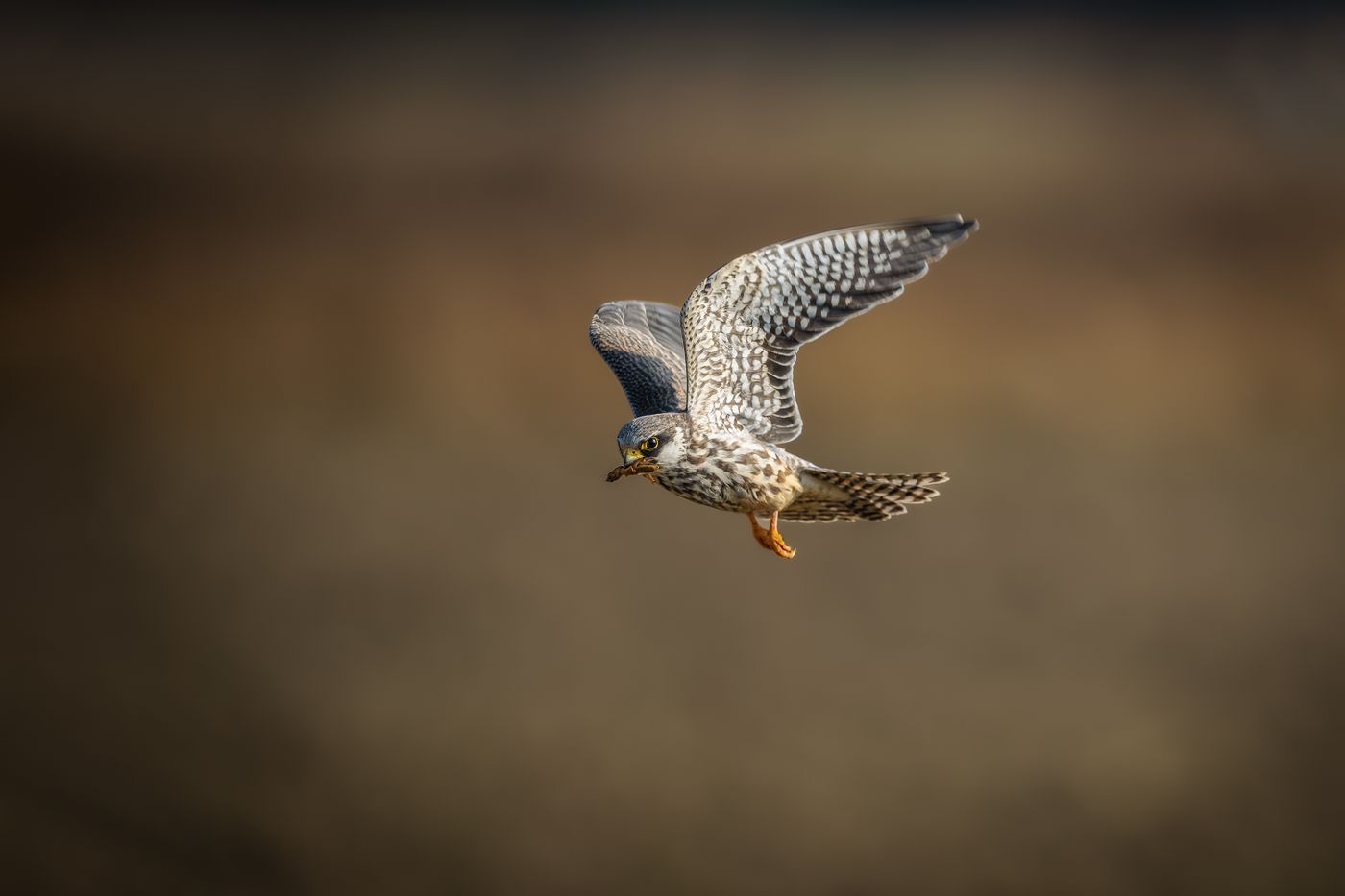
The falcon is an apt emblem for that vantage point. Seeing danger from above is an advantage, but a vantage point can also become a habit of detachment. Not entering a conflict is still a political decision, with consequences for allies waiting below.
Protection can become enclosure
Lysa's relationship with Robin turns the fortress's promise inward. The desire to protect can become a reason to limit exposure to anyone who might challenge the household's existing pattern. Physical safety and emotional security begin to be treated as the same thing.
That enclosure does not prevent manipulation. It can make a small number of trusted relationships disproportionately powerful. Littlefinger's influence depends less on breaching the castle's defences than on entering the emotional arrangements within them. A secure wall offers little protection against a dependency already admitted through the door.
Robin's youth also matters institutionally. Formal inheritance can place authority in someone who cannot yet exercise it independently. The important question becomes who interprets the heir's wishes and controls access to him.
Stored power eventually moves
The Vale's later intervention demonstrates the military value of resources preserved outside earlier fighting. Yet viewers should distinguish that outcome from a claim that every earlier refusal to act was a coherent long-term strategy. An eventual advantage does not prove that the path toward it was planned.
On a rewatch, observe the difference between a character possessing a title and a character being able to mobilise the forces associated with it. House Arryn's story is full of that gap.
The fortress is therefore neither simply a symbol of strength nor simply a prison. It creates possibilities for both. What determines the result is the network of relationships through which access, information and authority move inside its apparently secure boundaries.
The Vale's physical defences protect resources, but they do not resolve who actually controls those resources.
Another angle on the story.

House Stark: What the Wolf Leaves Out
The direwolf suggests solidarity, but Stark survival depends on people whose loyalties extend beyond the family name.
Read the essay
House Lannister: Gold Is Not the Same as Trust
A reputation for repayment creates leverage, but it cannot repair the relationships the family repeatedly damages.
Read the essay
House Targaryen: A Dragon Does Not Solve Succession
Extraordinary force can establish a dynasty without giving it a reliable method of transferring authority.
Read the essay