Cersei Lannister: The View from the Window
Physical distance from the city mirrors a political habit of seeing subjects primarily as threats or an audience.
Spoiler scope: Game of Thrones, all eight seasons.
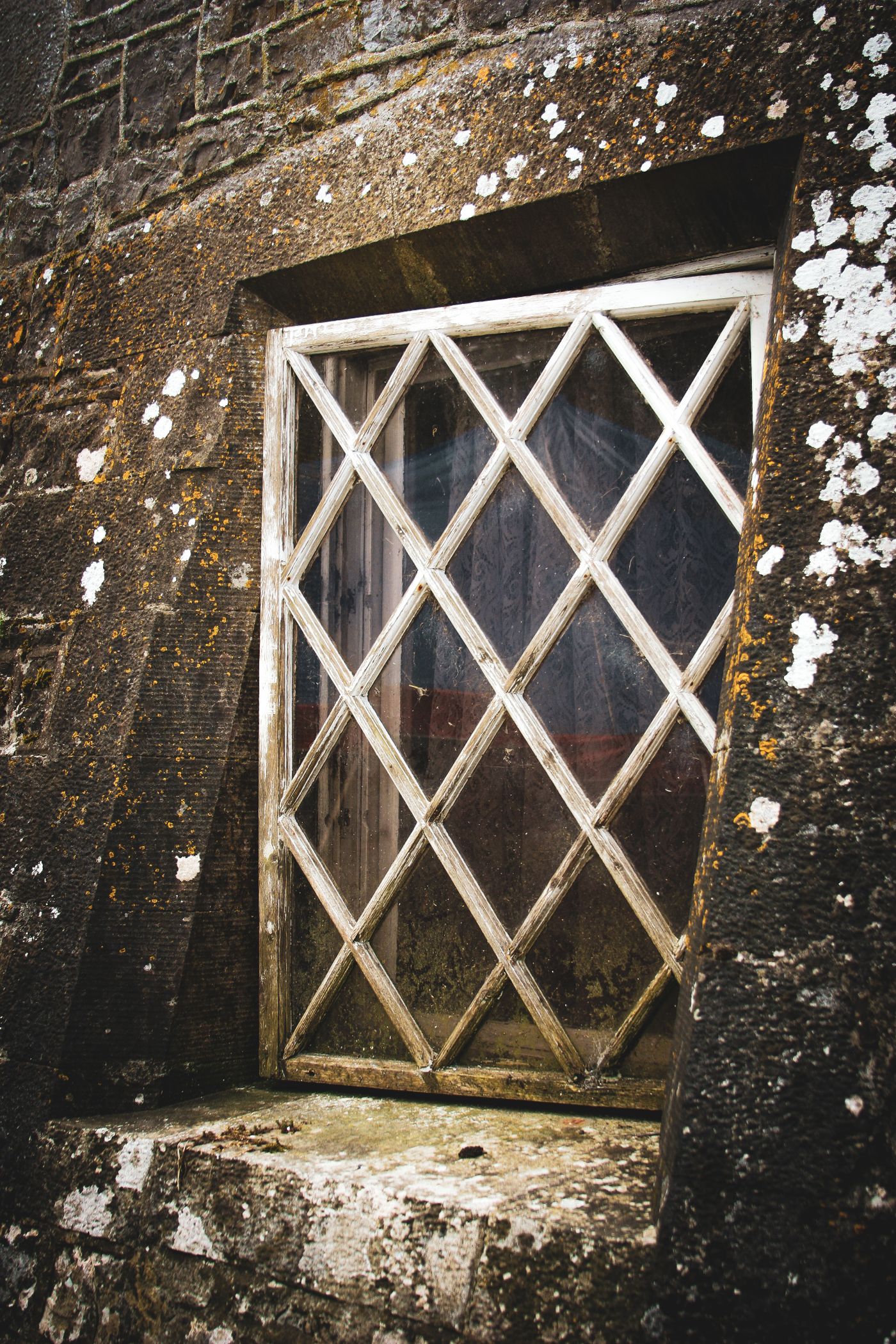
Looking down is not knowing
Cersei frequently inhabits spaces from which power can observe without joining the life below. A window offers a useful image for that relationship: it provides a view while preserving separation. This is a reading of the show's visual language, not a claim that every window carries a fixed symbolic message.
Her resentment of the restrictions placed on her is justified in important ways. She recognises the unequal opportunities given to men in her family and political world. But recognising an injustice done to oneself does not necessarily produce sympathy for others. Cersei often imagines freedom as the ability to exercise the coercion previously reserved for someone else.
Protection becomes a narrowing circle
Her children are central to her understanding of security and purpose. The difficulty is that protecting them becomes difficult to distinguish from maintaining her own control. People who might act independently can be experienced as threats even when their independence would offer a different form of safety.
Fear also shapes how she interprets institutions. A religious movement or political alliance can look like a tool while it remains outside her rivals' hands. Once empowered, however, it develops interests of its own. The mistake is not simply trusting the wrong person. It is treating a collective institution as though it will remain an extension of the intention that helped it rise.
Survival is a limited measure
Cersei is capable of bold action and of identifying weaknesses in others. Measuring her only by whether she survives a particular confrontation can nevertheless conceal the costs accumulated around her. A destroyed relationship, frightened population or abandoned principle may not immediately remove a ruler, but it changes the world that ruler must continue to inhabit.
The window metaphor helps sharpen a rewatch question: what information reaches her from below, and what does she consider worth hearing? Her victories often increase her physical and political isolation. Power lets her remain above the immediate consequences, but it does not make those consequences disappear. The view grows wider while the range of people she can trust becomes smaller.
Cersei's story distinguishes escaping subordination from building a less coercive form of power.
Another angle on the story.

Ned Stark: Mercy Behind the Sword
His downfall is not simply a lesson that honour loses. It is a collision between public duty and the protection of children.
Read the essay
Catelyn Stark: A Mother's Bargain
Her decisions expose a political order that asks a family to behave like an army.
Read the essay
Sansa Stark: Clothing as a Form of Defence
Costume helps trace a journey from performing somebody else's story to choosing how authority should look.
Read the essay