Sansa Stark: Clothing as a Form of Defence
Costume helps trace a journey from performing somebody else's story to choosing how authority should look.
Spoiler scope: Game of Thrones, all eight seasons.
Learning to look acceptable
Sansa's early interest in beautiful clothes is easy to dismiss as evidence of shallowness. It is more useful to ask what she has been taught clothes can accomplish. Looking appropriate promises admission to a desirable world: marriage, rank and a place in the songs she knows. The fantasy is social as much as romantic. She expects appearance and good behaviour to make that world intelligible.
King's Landing destroys that expectation without making appearance irrelevant. Instead, presentation becomes a survival skill. A controlled face, a polite answer and the right public manner can prevent a dangerous person from receiving the resistance they are looking for. Her restraint should not automatically be read as agreement. Under coercion, visible compliance and internal conviction may have very little in common.
A language without a speech
Costume is especially useful to television because it can register a change before a character explains it. Colour, silhouette and ornament place Sansa in relation to the people whose protection or approval she needs. The precise meaning of any individual garment remains an interpretation, not a secret code with a single authorised solution.
The important pattern is that her appearance is never produced in a social vacuum. At court, other people define the desirable role. Later, the clothing associated with her northern identity makes that role more self-directed. The contrast invites us to notice agency rather than simply ranking the prettiest dresses.
There is also a difference between armour and invulnerability. A more controlled visual identity does not mean Sansa has stopped being frightened, hurt or capable of mistakes. Reading costume as an instant transformation into a flawless strategist would flatten the same complexity that it helps reveal.
Whose colours must she wear?
The wedding cloak makes the political stakes unusually literal. In Sansa's marriage to Tyrion, the ritual presents a transfer of protection between houses even though she has little control over the arrangement. A garment can announce security while the person wearing it remains exposed. The scene asks viewers to distinguish a public claim about protection from the private experience of being protected.
Tyrion's reluctance to exploit that vulnerability matters, but it does not make the surrounding coercion disappear. An individual can behave more decently than the institution requires without transforming the institution into something freely chosen. Sansa must still manage how she appears before people who can punish an unwelcome response.
That context also changes the meaning of politeness. When she gives a careful answer, the useful question is not whether it expresses everything she feels. It is what saying more would expose her to. The audience often knows enough to hear a second meaning beneath the surface, whereas characters within the scene may congratulate themselves on her obedience.
Later visual references to the North can be read against these imposed displays of belonging. The distinction is not that southern clothes are false and northern clothes inherently truthful. It concerns who chooses the association and what alternatives are available. A regional identity becomes more meaningful when it is an affiliation she can actively assert, rather than another costume assigned by a person controlling her future.
Needlework and political authorship
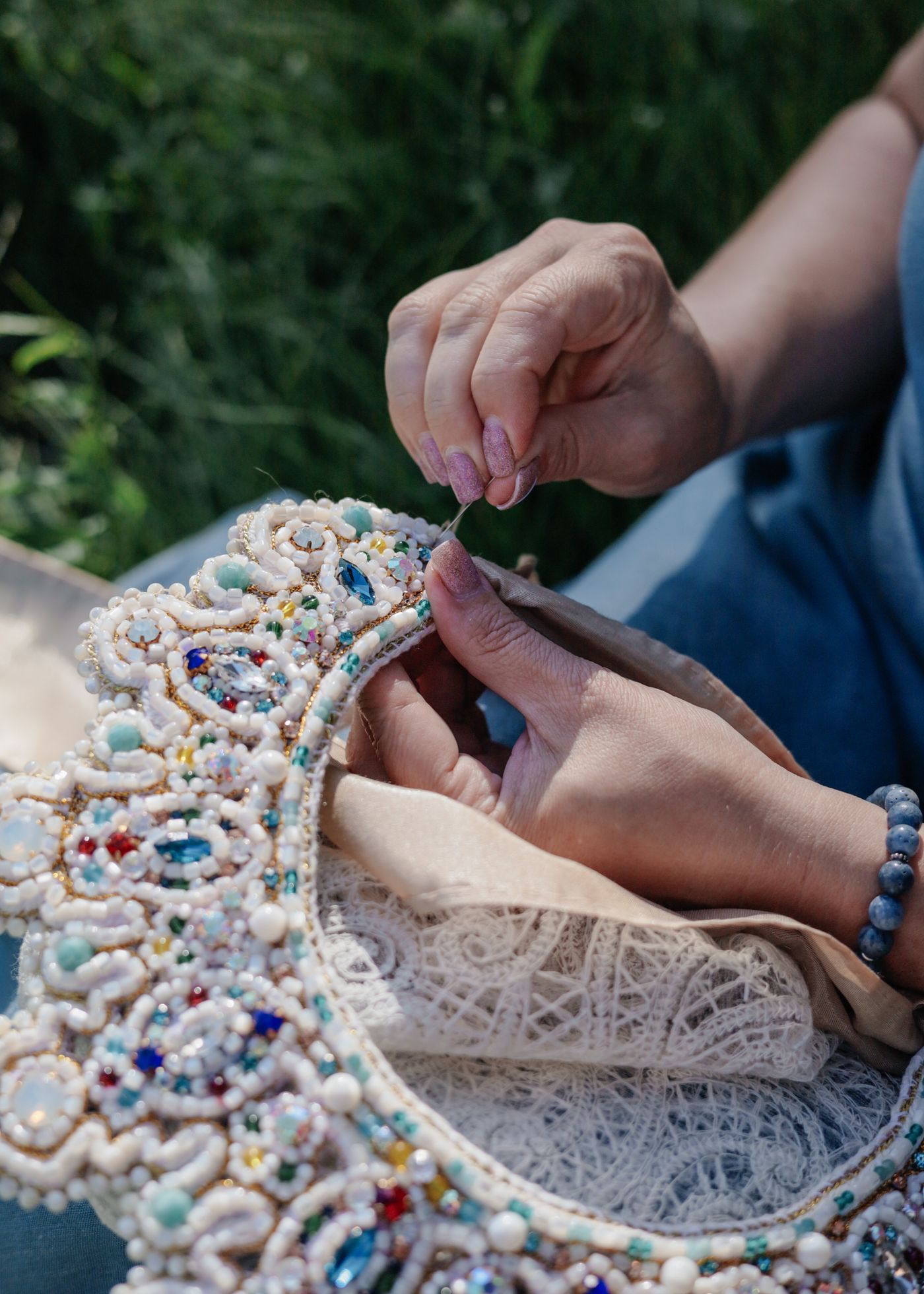
Sansa's association with sewing gives this visual story an unusually concrete vocabulary. Making and modifying clothing is work. It requires attention to small decisions that other people may take for granted. That provides a useful counterpoint to the louder kinds of agency celebrated elsewhere in the series: swordplay, battlefield command and spectacular defiance.
The contrast with Arya need not become a competition over which sister is stronger. Each negotiates a different set of expectations and develops different means of resisting them. Their early friction partly comes from treating those expectations as shared rules when they are already experiencing them differently.
By the television ending, Sansa's public presentation belongs to a position of authority rather than a bid for somebody else's acceptance. The journey is not from caring about clothes to outgrowing them. It is from accepting a ready-made image to having a greater say in its construction. On a rewatch, follow who controls the setting whenever her appearance changes; that question is more revealing than treating every costume as a prediction.
Sansa's visual development is a story about agency under pressure, not a simple makeover from innocence to power.
Another angle on the story.
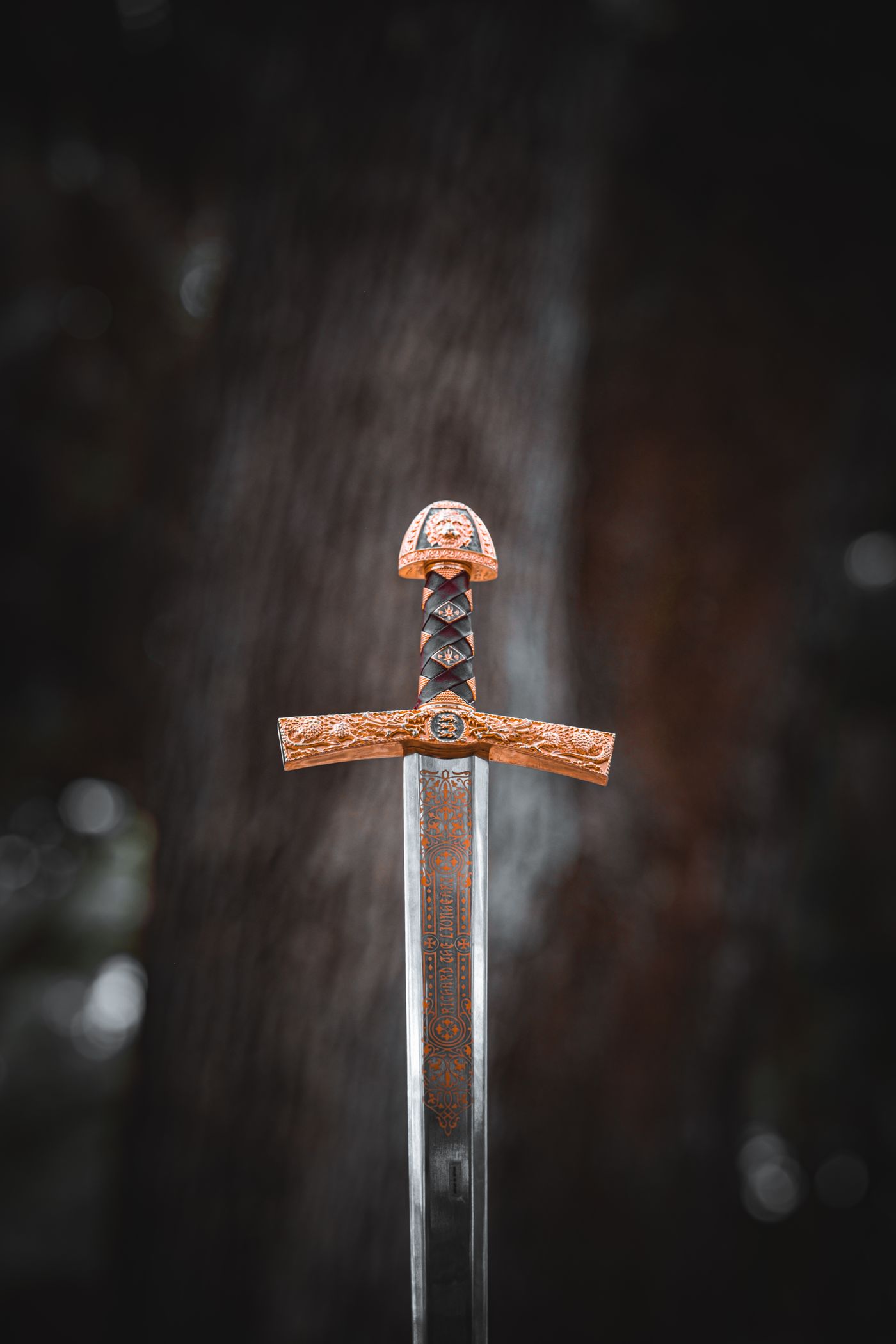
Ned Stark: Mercy Behind the Sword
His downfall is not simply a lesson that honour loses. It is a collision between public duty and the protection of children.
Read the essay
Catelyn Stark: A Mother's Bargain
Her decisions expose a political order that asks a family to behave like an army.
Read the essay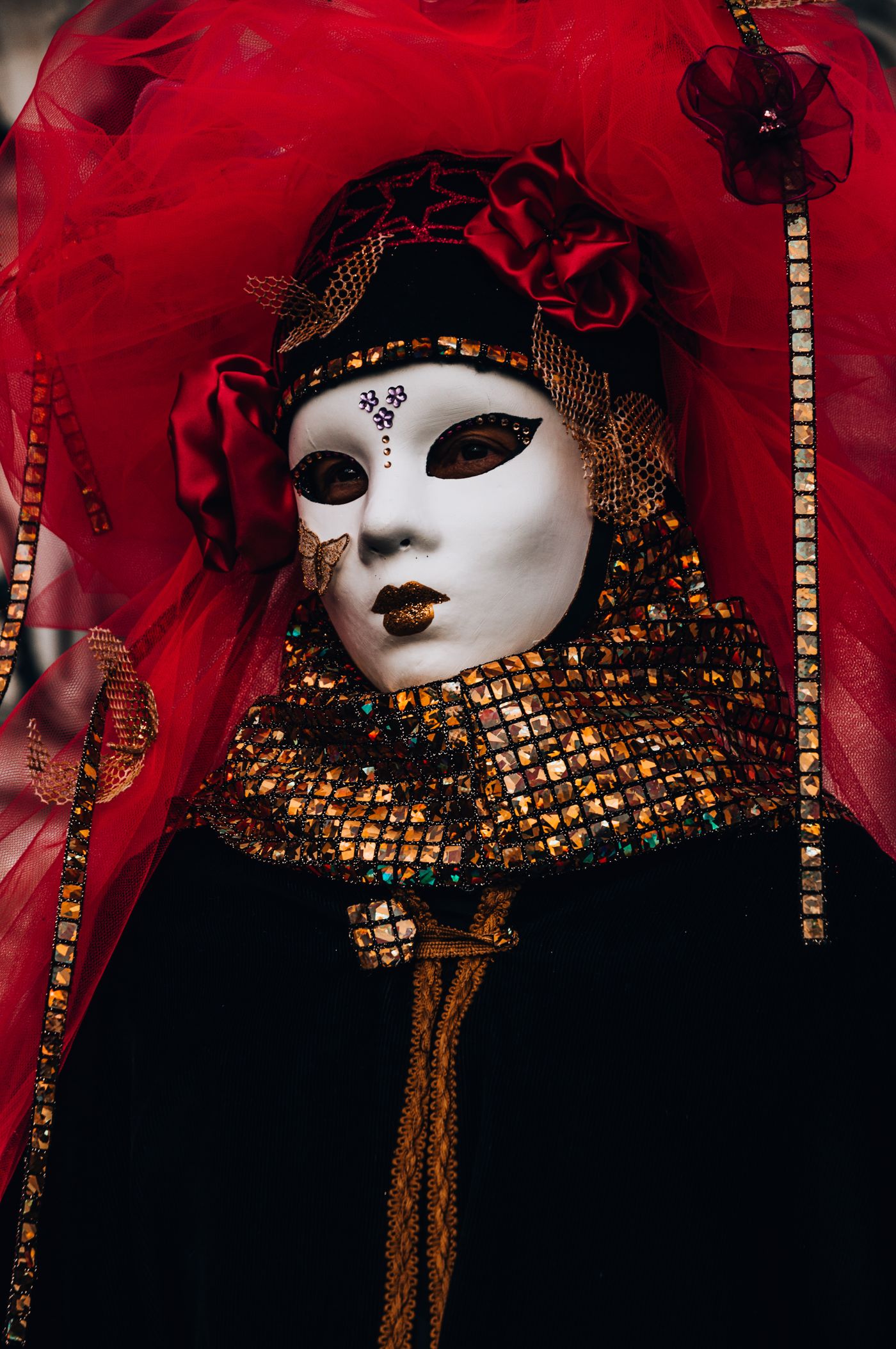
Arya Stark: The Names Behind the Mask
Disguise keeps Arya alive, but the names she remembers keep challenging her attempt to disappear.
Read the essay