Dubrovnik's Walls: Seeing King's Landing from Above
The capital's power comes partly from a change of viewpoint: roofs become a pattern, and people become difficult to see.
Spoiler scope: General King's Landing setting; no plot endings.
A city is not one continuous set
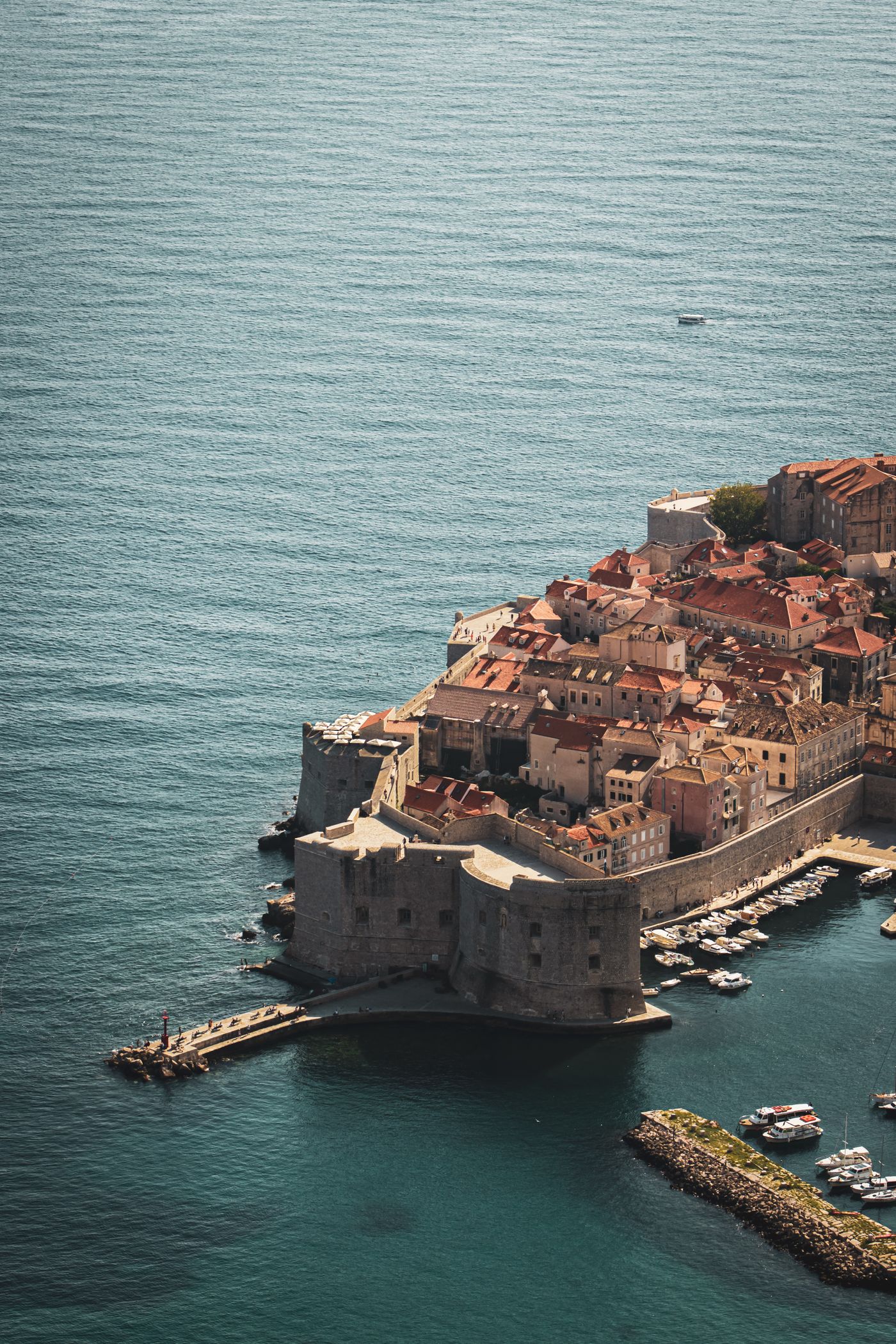
Dubrovnik supplied a major visual identity for King's Landing: stone fortifications, a dense roofscape and a city meeting the sea. The Dubrovnik Tourist Board's screen coverage recognises that role, but the fictional capital is not simply a renamed municipality. Television combines selected streets and structures with other locations, sets and visual effects. A walk through the real city will not reproduce the geography of every edited sequence.
That distinction is especially useful on the walls. Their elevated views make the city appear coherent and comprehensible. From above, streets become lines and roofs become repeated shapes. At ground level, a turn can hide the destination and a narrow passage can interrupt the view. Both experiences belong to the same real place, but they offer very different ways of imagining authority.
What elevation does to political conversation
When rulers discuss a city from a defensive height, the population can become an abstraction. The setting permits a character to speak of security, danger or control while the people affected are reduced to distant movement. This is one reason a wall can do more dramatic work than a neutral meeting room. Its view supports the fantasy of seeing the whole problem.
As a viewer, ask what remains outside that view. An attractive panorama cannot reveal whether food is reaching a household or whether a gate is intimidating its own residents. The contrast between visible fortifications and invisible daily needs runs through the politics of King's Landing. Dubrovnik's actual cityscape provides a way to think about that contrast without assuming that its history is interchangeable with the fiction.
For photographs, try pairing a broad roofscape with a closer view of stonework or a passage below. The pair records two scales rather than repeating the same postcard angle. Keep the camera on the public side of barriers: changing a composition is preferable to treating a defensive edge as a posing platform.
Walk with the present city in mind
Use the tourist board and the walls' current operator information to confirm entrances, admission and any route restrictions. Do not assume a ticket or tour advertised under a King's Landing label includes every nearby monument. Read the actual inclusions, especially if a particular fortress or interior is the reason for booking.
A wall walk involves exposure to weather and changes of level. Choose a manageable route and carry water when conditions require it; the dramatic view is less enjoyable if reaching it exhausts the group. In the streets below, allow residents and deliveries to pass instead of stopping a group across a narrow lane. Dubrovnik is an inhabited city, and recognising its present life gives the filming connection a firmer context than pretending that Westeros has replaced it.
Compare the commanding panorama with the street-level view; the difference explains why these walls work so well in political drama.
Another angle on the story.
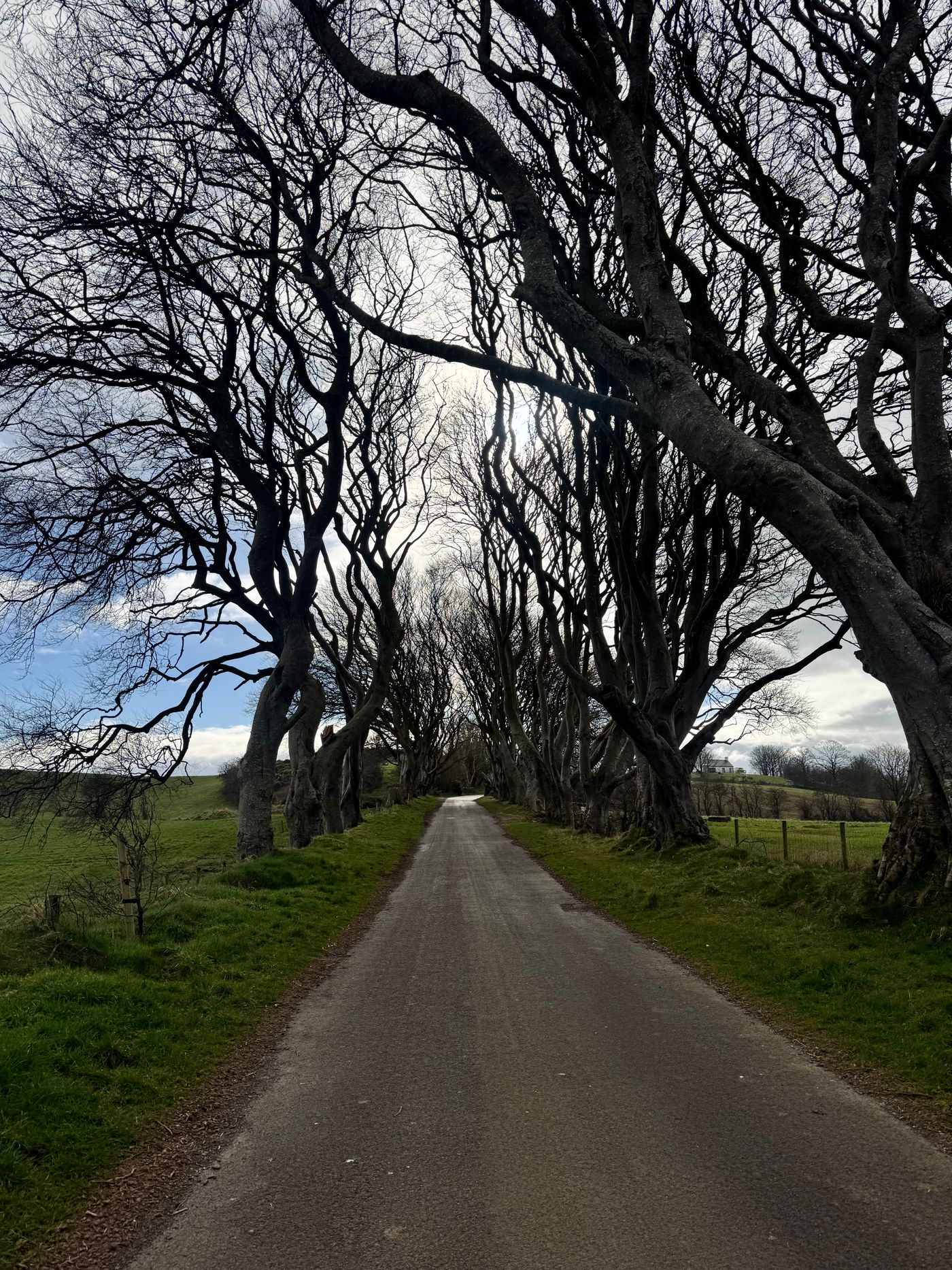
The Dark Hedges: A Road Between Two Worlds
The Kingsroad is a brief screen appearance. The real avenue rewards a slower look at its trees, perspective and vulnerability.
Read the essay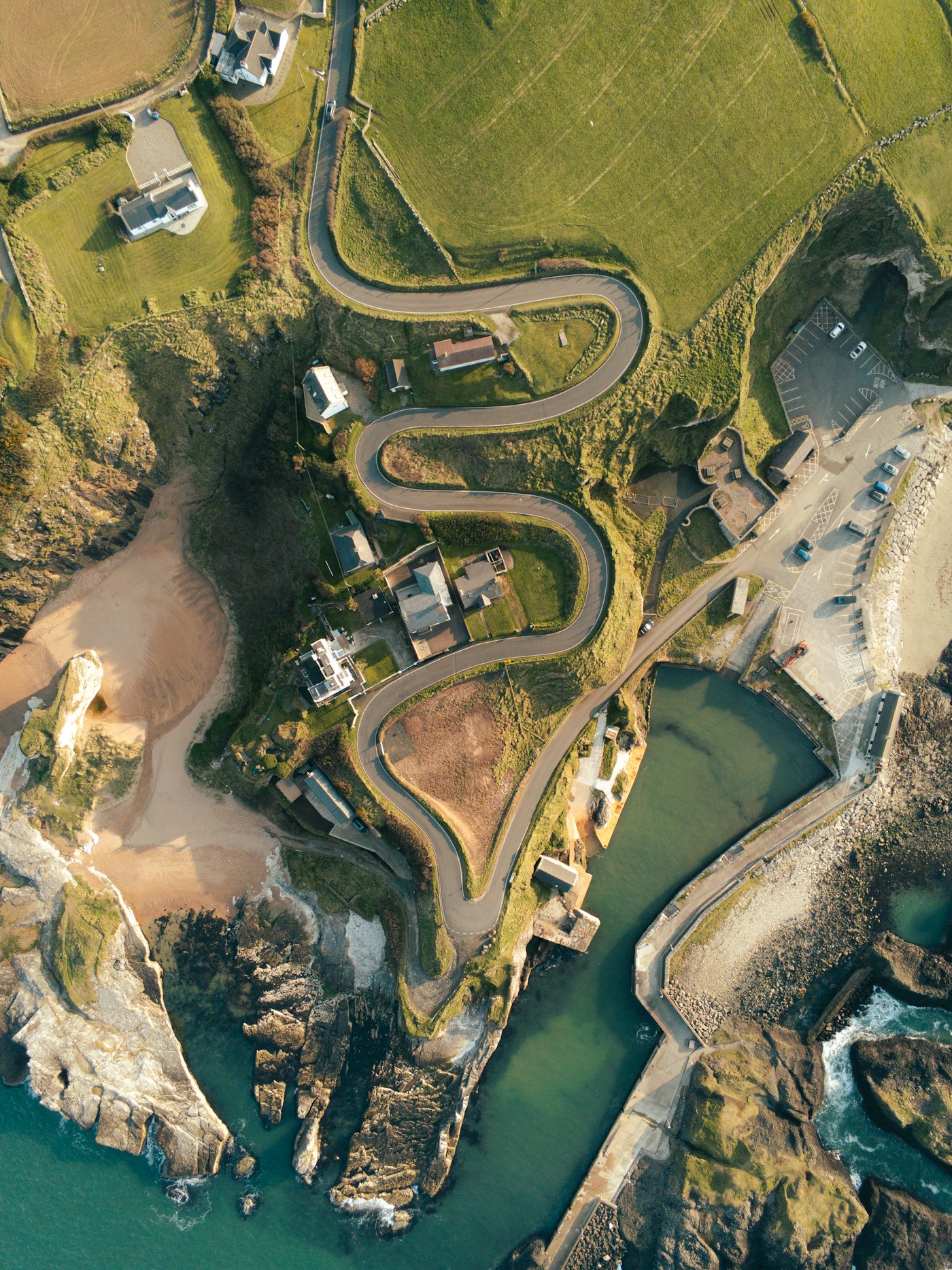
Ballintoy Harbour: The Iron Islands at Human Scale
A small harbour supplied a convincing arrival in the Iron Islands. Its enclosed water and exposed coast explain why.
Read the essay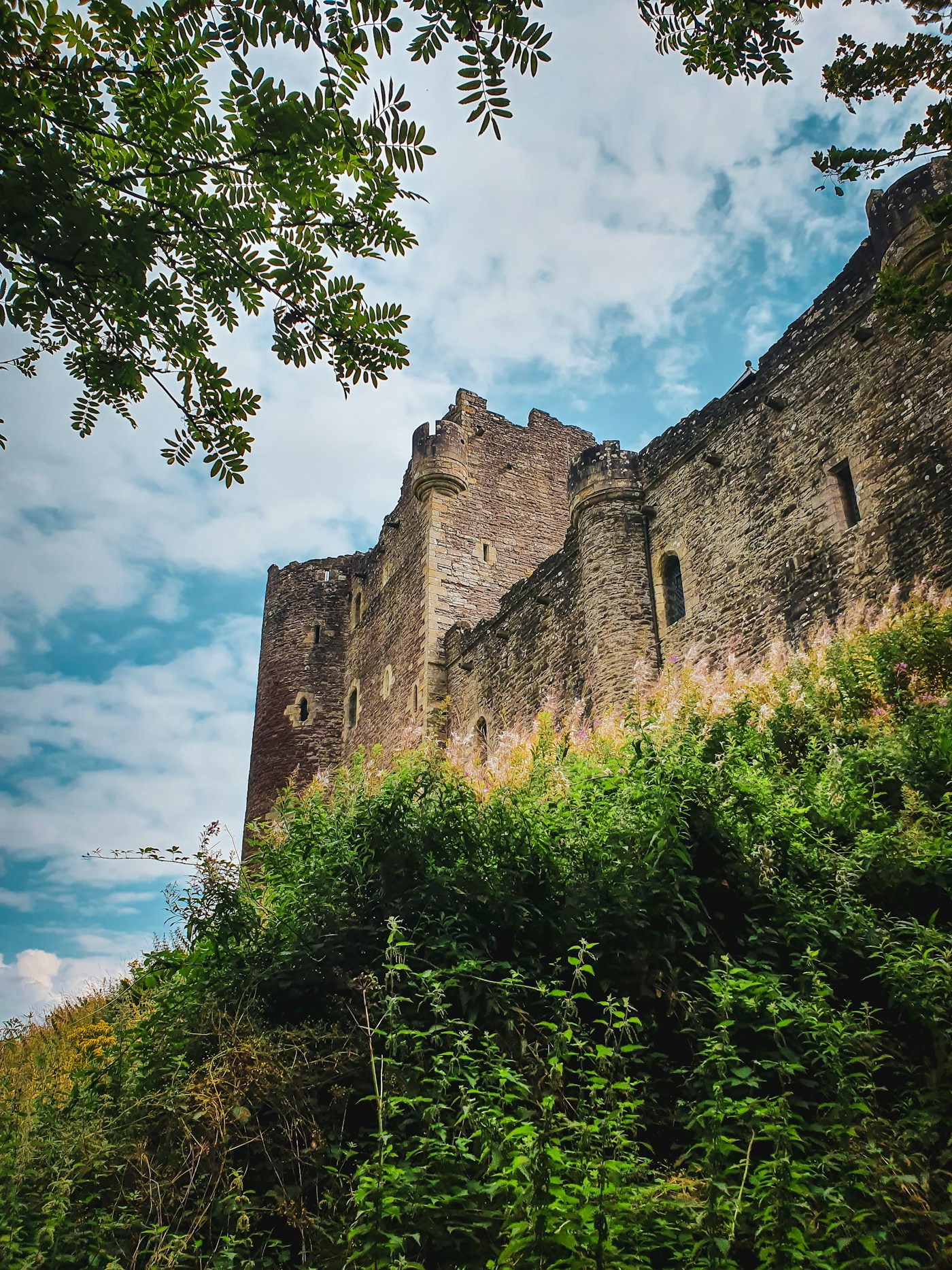
Doune Castle and the First Idea of Winterfell
The pilot connection matters, but this Scottish castle is not a complete model of the Winterfell seen throughout the series.
Read the essay