Bran Stark: Memory Is Not the Same as Wisdom
Access to the past changes Bran's role, but information does not automatically explain how a society should act.
Spoiler scope: Game of Thrones, all eight seasons.

A witness beyond ordinary limits
Bran's story gradually moves from physical observation to a form of witnessing unavailable to almost everyone around him. The child who climbs to see what is hidden becomes a figure who can encounter distant moments of history. That continuity is suggestive, although the price of access grows dramatically.
The visions do not simply provide a complete explanatory document. Early encounters are partial, and their meaning depends on context. A fragment can be accurate while the interpretation attached to it is wrong. This matters in a series where people routinely mistake possession of a fact for mastery of the situation that produced it.
The tree and the archive
The weirwood setting gives memory an organic image. History is not a neat shelf of finished volumes; it is something rooted, connected and older than the people currently struggling over titles. A real tree used to illustrate this theme is a metaphor, not a claim to depict a fictional sacred species.
Bran's changing manner complicates the apparent gift. Emotional distance may make a witness less vulnerable to ordinary manipulation, but it can also make communication harder. Other people need not only answers but reasons to understand and trust them. Knowing more than a community does not remove the obligation to explain what matters.
An ending that leaves an argument open
The television ending connects Bran's accumulated memory to political authority. One reading sees a corrective to rulers trapped by grievance and ambition. Another asks why historical knowledge should qualify anyone to make present choices, particularly when the processes of accountability remain thinly shown.
The series does not require viewers to pretend those questions have been resolved. Distinguishing memory, judgement and legitimacy makes the ending more interesting to discuss than simply asking whether Bran is powerful enough. A vast archive can preserve evidence, but evidence still has to be interpreted and competing needs still have to be weighed.
On a rewatch, notice the difference between scenes in which Bran learns something and scenes in which someone can use what he knows. The distance between those moments is where the political difficulty of his gift becomes visible.
Bran's knowledge answers some mysteries while leaving the problem of responsible judgement intact.
Another angle on the story.

Ned Stark: Mercy Behind the Sword
His downfall is not simply a lesson that honour loses. It is a collision between public duty and the protection of children.
Read the essay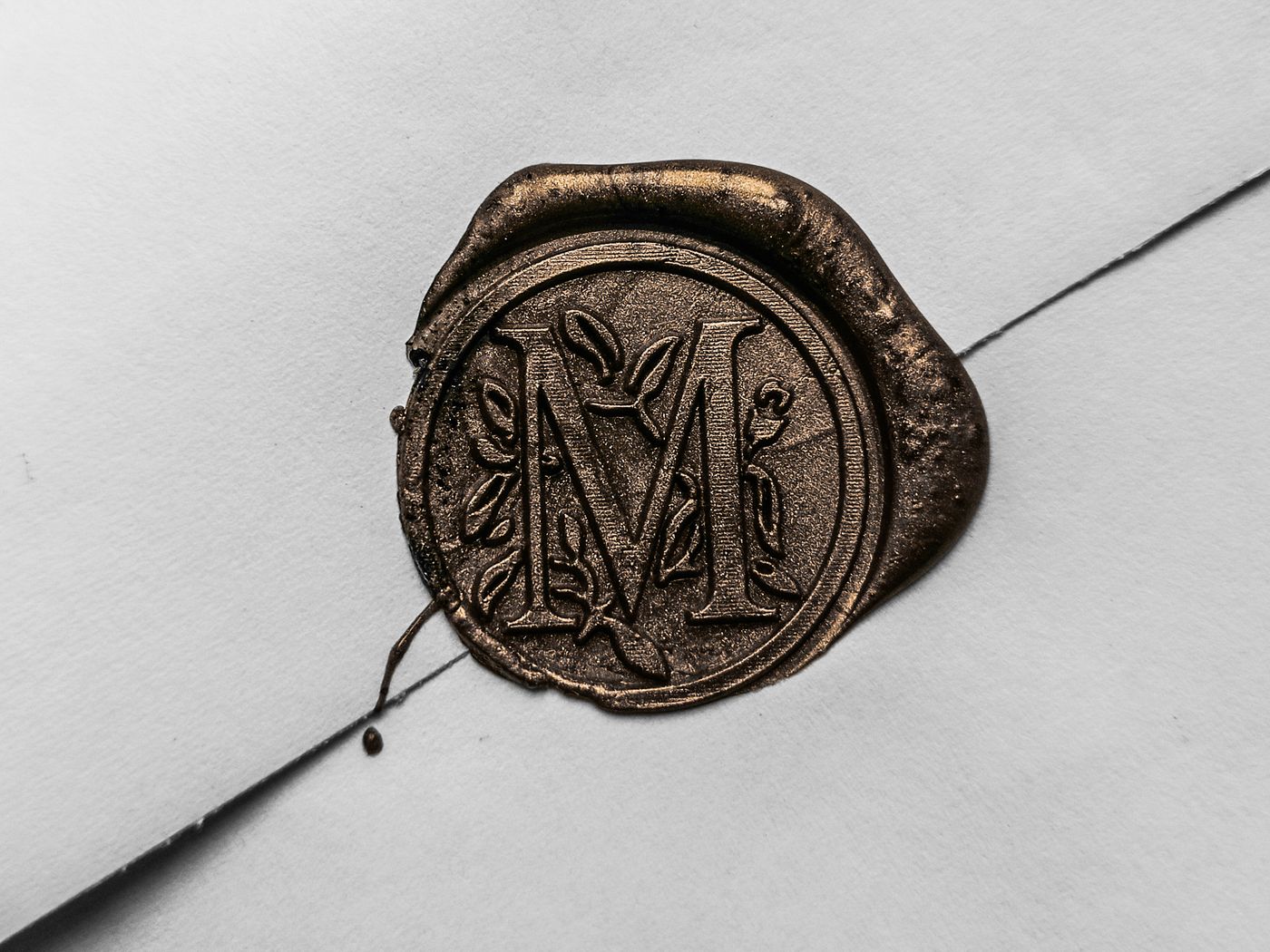
Catelyn Stark: A Mother's Bargain
Her decisions expose a political order that asks a family to behave like an army.
Read the essay
Sansa Stark: Clothing as a Form of Defence
Costume helps trace a journey from performing somebody else's story to choosing how authority should look.
Read the essay