Ruins Keep the Victors' Stories Unsettled
Broken castles and abandoned places make the cost of earlier victories visible.
Spoiler scope: Game of Thrones: seasons 2–5
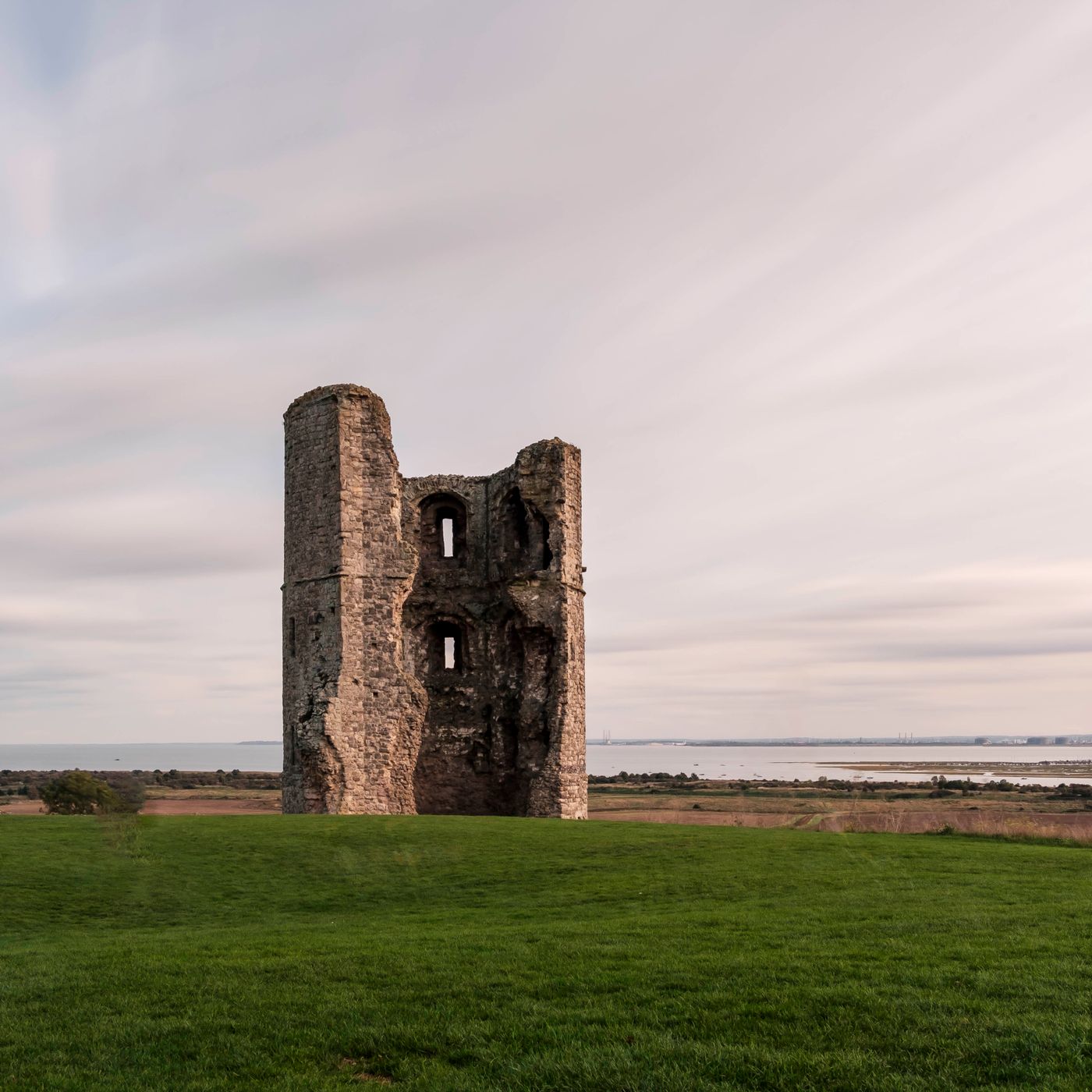
A monument to a failed expectation
A ruin is evidence that someone once expected a building to last. Harrenhal makes that expectation especially striking: enormous defensive ambition survives as a damaged landscape. Its scale demonstrates resources and power, while its condition demonstrates their limits. The place complicates any easy association between building something larger and making it secure.
For characters passing through, the past is not an optional historical lesson. It shapes where they sleep, who commands them and what dangers they face. The ruin becomes a functioning part of the present even as people tell stories about its destruction. History is both a narrative and a material environment.
Different people inherit different memories
The powerful may treat a ruined seat as a title, a reward or a strategic location. Others experience it as a place of captivity and fear. These perspectives do not cancel one another, but they expose how incomplete an official account can be. A castle's ownership history is not the same as the history of everyone who suffered inside it.
The journey through the ruins associated with Valyria offers another variation. Wonder and danger coexist in a place whose former greatness does not make it safe. The spectacle invites fascination with a lost civilisation, while the immediate risks prevent the scene from becoming a comfortable museum visit. The characters cannot stand outside the consequences merely because the catastrophe happened long ago.
Do not turn atmosphere into proof
Ruined settings encourage speculation about curses, forgotten powers and hidden histories. Some of those possibilities belong to the story's supernatural world, but an evocative image does not confirm every theory attached to it. Distinguish what characters believe, what the camera shows and what remains unexplained.
A careful reading lets ruins resist closure. They reveal that conquest does not simply clear the ground for a new beginning. Damaged institutions, landscapes and memories remain available to later rulers and later victims. The past can be repurposed, misunderstood or mythologised, but it does not vanish when a victorious family writes its preferred version of events. That persistence gives the show's geography much of its weight.
A ruin records both the ambition that built it and the limits that ambition encountered.
Another angle on the story.

A Crown Is Not Consent: Why Legitimacy Keeps Breaking
Inheritance, victory and recognition offer different answers to the question of who may rule.
Read the essay
When an Oath Conflicts with Conscience
Promises give Westeros a moral vocabulary—and create obligations that cannot always coexist.
Read the essay
Grain Before Glory: The Politics of Hunger
Food supplies make the difference between possessing a city and being able to govern it.
Read the essay