Masks, Names and the Work of Becoming Someone Else
Disguise offers survival, but the series rarely lets a discarded identity disappear completely.
Spoiler scope: Game of Thrones: seasons 1–6

A name can be a danger
Characters in Game of Thrones conceal their identities for different reasons: to travel safely, gain access, evade punishment or take revenge. These are not interchangeable acts. A disguise adopted under threat has a different moral shape from one used to manipulate a victim. The outward technique may be similar while the pressure behind it differs.
Arya's early changes of name make the practical stakes clear. Her identity connects her to people she loves, but revealing it can place her in danger. Concealment therefore preserves the person by temporarily denying the name. This paradox gives the later promise of becoming no one a history; it is not an abstract philosophical exercise introduced from nowhere.
Training cannot erase memory
In Braavos, identity becomes a discipline rather than a temporary cover. Arya is asked to surrender attachments that the audience has spent years learning to recognise. Objects and memories resist that process. Her hidden sword matters because it holds continuity between the role demanded of her and the self she has not fully abandoned.
The magical use of faces should not be treated as a complete explanation of personhood. A borrowed appearance can change what others see without demonstrating that desire, loyalty or memory has vanished. The story's tension depends on the difference. Arya may learn techniques from an institution while rejecting its demand that she cease to be Arya Stark.
Identity also comes from recognition
A person does not control every part of their identity alone. Family members, enemies and strangers recognise habits, accents and histories. Disguise can fail because another person sees something the mask cannot cover. It can also succeed too well, forcing the wearer to live with expectations created by a role they adopted for practical reasons.
For analysis, separate appearance, name, affiliation and purpose. A character can change one without changing all four. This makes discussions of transformation more precise and avoids treating every new costume as a total rebirth. The television story suggests that reinvention is possible, but that the past remains an active participant in deciding what the new self will do.
A mask can conceal recognition more easily than it can erase attachment.
Another angle on the story.
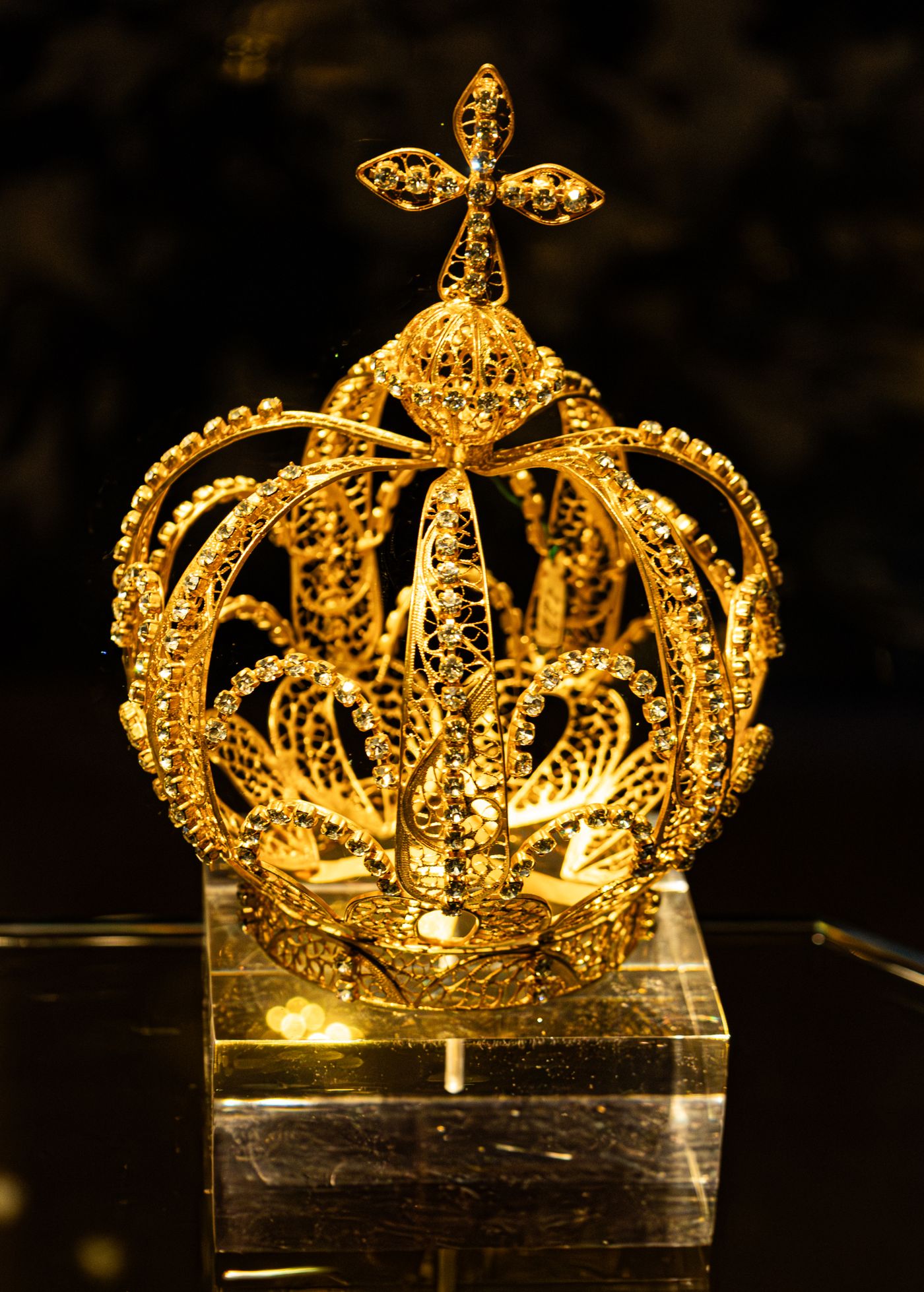
A Crown Is Not Consent: Why Legitimacy Keeps Breaking
Inheritance, victory and recognition offer different answers to the question of who may rule.
Read the essay
When an Oath Conflicts with Conscience
Promises give Westeros a moral vocabulary—and create obligations that cannot always coexist.
Read the essay
Grain Before Glory: The Politics of Hunger
Food supplies make the difference between possessing a city and being able to govern it.
Read the essay