A Wall Protects—and Defines an Enemy
The northern barrier is both a defensive structure and a way of organising belonging.
Spoiler scope: Game of Thrones: seasons 1–7
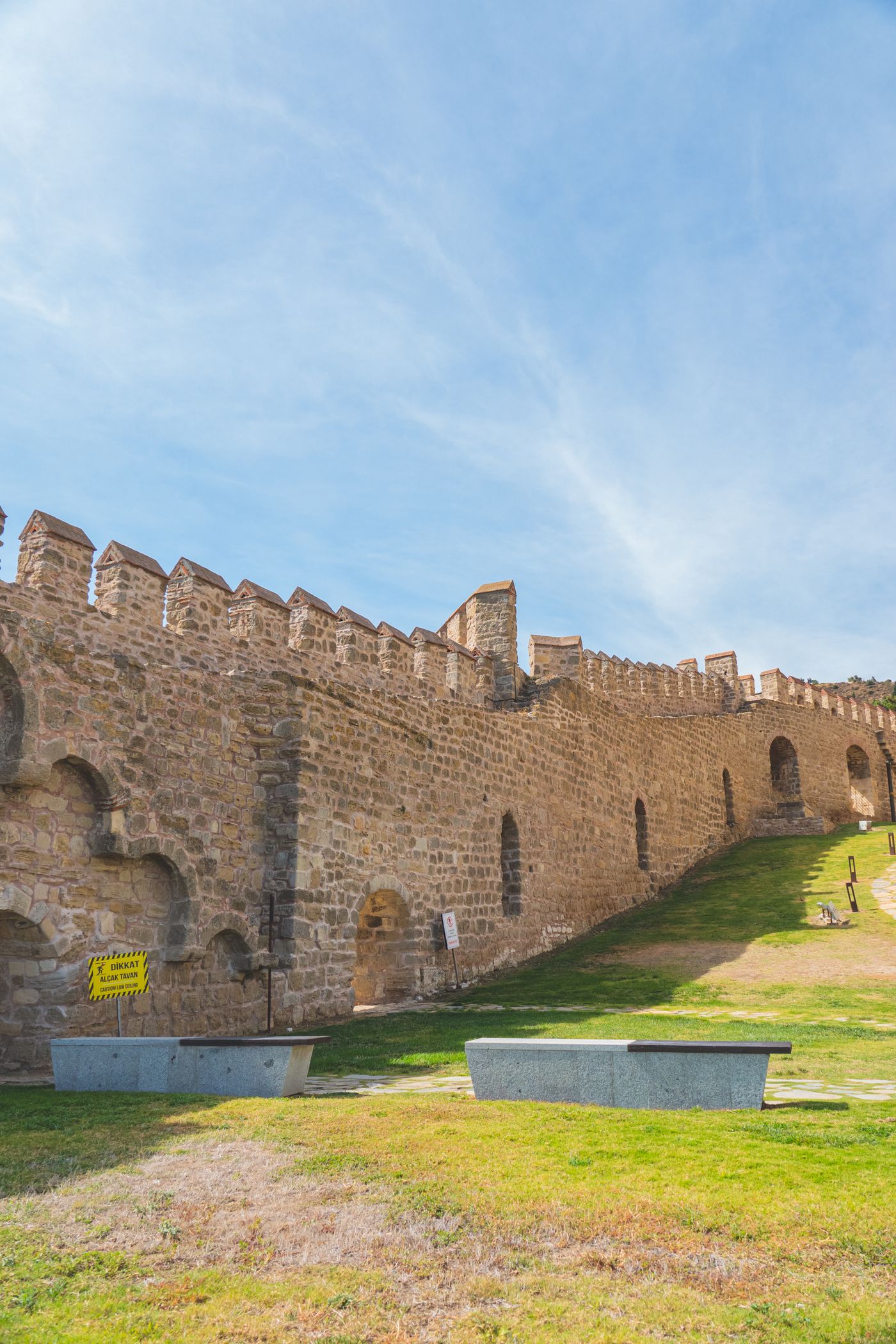
Stone and ice organise thought
A physical barrier makes a distinction appear natural: there is an inside and an outside. The Wall gives that distinction extraordinary scale. For many characters south of it, the people beyond become a category before they become individuals. The structure protects territory while helping produce a story about who belongs to the political community.
The opening episodes encourage that inherited perspective, then complicate it through encounters with the free folk. Different groups beyond the Wall do not become identical merely because southerners give them a collective name. Their disagreements, families and practical needs challenge the convenience of treating the entire northern population as a single permanent enemy.
Defence can require opening a gate
Hardhome changes the argument about admission. The people seeking passage are not only potential rivals; they are living people threatened by an enemy that can turn the dead into additional forces. Exclusion may feel consistent with tradition while worsening the danger the institution exists to resist. The defensive question becomes more complicated than keeping everyone out.
Jon's response exposes the political cost of changing a border's meaning. A practical decision can threaten identities built around guarding that boundary. Opposition therefore cannot be understood solely as a dispute about immediate military facts. Some brothers experience cooperation with the free folk as a betrayal of the story that gave their service coherence.
The metaphor has limits
The Wall can support discussion of borders, migration and institutional prejudice, but Westeros is not a direct model of any particular modern dispute. Its supernatural threat changes the conditions dramatically. Keeping that difference visible makes the comparison more useful, because it prevents a fictional resolution from being presented as a ready-made policy argument.
What the story does show clearly is that a defensive structure cannot decide whom it ought to defend. People make that decision through law, custom and judgement. A barrier may buy time, but time is useful only if the community behind it can recognise changing circumstances. The Wall's height cannot compensate for a refusal to reconsider the meaning of its mission.
The crucial border question is not only what a wall stops, but whom its guardians recognise as worth protecting.
Another angle on the story.

A Crown Is Not Consent: Why Legitimacy Keeps Breaking
Inheritance, victory and recognition offer different answers to the question of who may rule.
Read the essay
When an Oath Conflicts with Conscience
Promises give Westeros a moral vocabulary—and create obligations that cannot always coexist.
Read the essay
Grain Before Glory: The Politics of Hunger
Food supplies make the difference between possessing a city and being able to govern it.
Read the essay