Brienne of Tarth: What a Knight Does
Brienne exposes the gap between a prestigious title and the work that gives it meaning.
Spoiler scope: Game of Thrones, all eight seasons.
Recognition withheld
Brienne lives in a society that advertises chivalric ideals while denying her a conventional place among their recognised practitioners. The contradiction makes her a particularly effective test of the institution. If courage, restraint and service matter, why should the person displaying them be treated as an embarrassment?
Her awkwardness in courtly settings is often contrasted with her competence when protection becomes difficult. That contrast is not an invitation to dismiss every social skill as false. It reveals how easily a culture can confuse belonging to the right group with possessing the virtues that group claims to represent.
An oath becomes practical work
Protecting someone is rarely as clear as reciting a promise. Brienne must interpret commitments when the person who received them is absent or dead, when information is unreliable and when different obligations pull in competing directions. Her persistence gives the oath substance, but it cannot eliminate ambiguity.
Her relationship with Jaime complicates both characters' assumptions. She discovers that a notorious breach of an oath can contain a protective intention. He encounters an unfashionable commitment to service that survives ridicule. Neither discovery requires abandoning judgement; both require making judgement more specific.
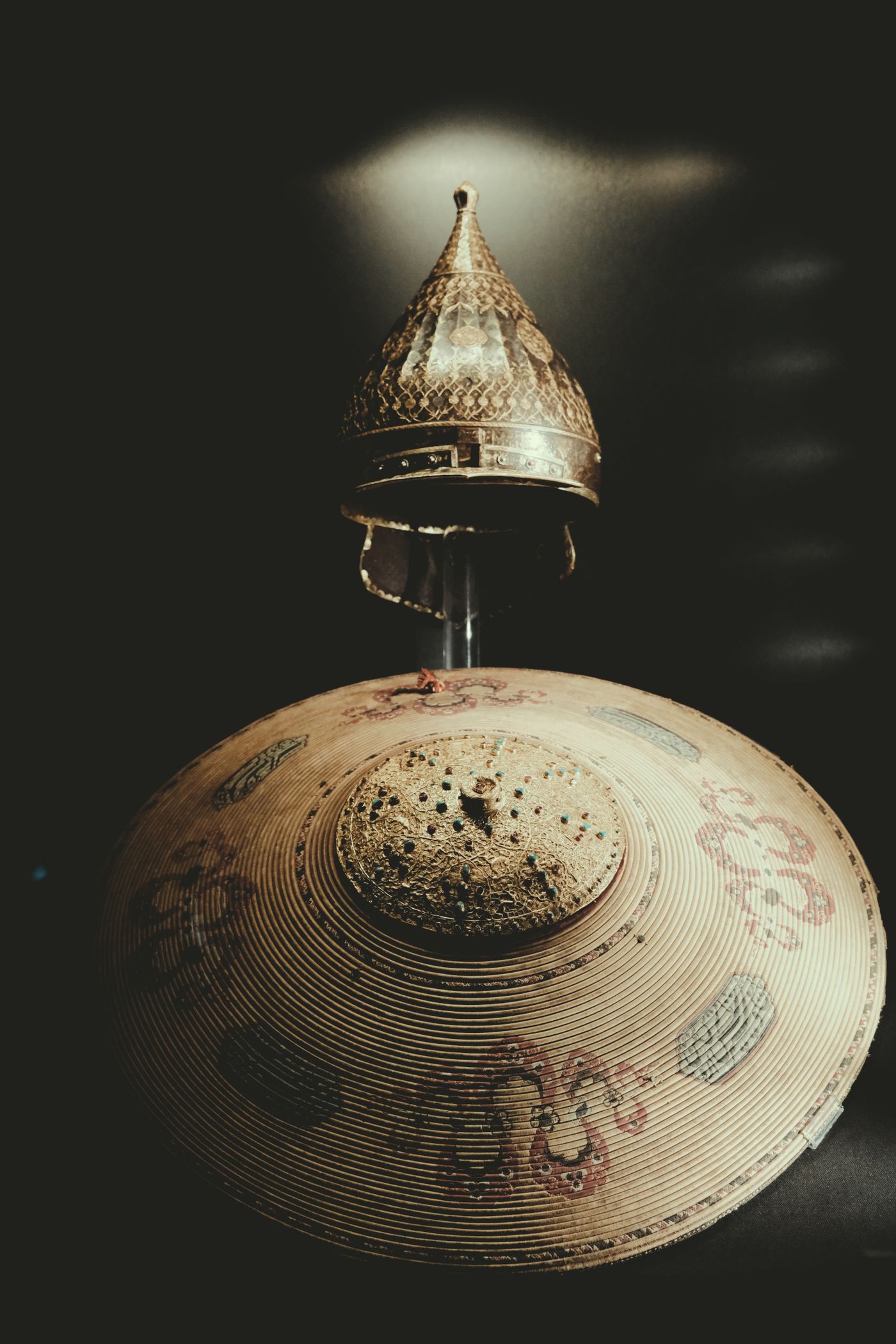
The shield is a useful image for her because its purpose is relational. It matters in connection with the person or position it protects. Brienne's strength is repeatedly directed toward somebody else's survival, rather than simply toward establishing that she is the strongest person present.
The title catches up
Her knighting in the final season is moving partly because it does not create the qualities being recognised. The ceremony gives public form to a reality already demonstrated through years of action. Recognition matters, but it arrives late.
The later act of recording Jaime's deeds extends the same concern with how people are remembered. Writing an account does not require pretending a life was spotless. It requires refusing to let the easiest label replace a more complete record.
Brienne's story therefore offers a sharper question than whether she earns admission to a masculine profession. It asks whether the profession can become worthy of the standards she has already tried to uphold, and whether an institution can recognise virtue when it appears in an unexpected person.
The ceremony recognises Brienne's knighthood; her conduct has already supplied its substance.
Another angle on the story.

Ned Stark: Mercy Behind the Sword
His downfall is not simply a lesson that honour loses. It is a collision between public duty and the protection of children.
Read the essay
Catelyn Stark: A Mother's Bargain
Her decisions expose a political order that asks a family to behave like an army.
Read the essay
Sansa Stark: Clothing as a Form of Defence
Costume helps trace a journey from performing somebody else's story to choosing how authority should look.
Read the essay