Gaztelugatxe: The Real Stairway Beneath Dragonstone
The winding ascent exists. The enormous fortress does not. Separating the two reveals how the location creates anticipation.
Spoiler scope: Daenerys's arrival setting in season 7.
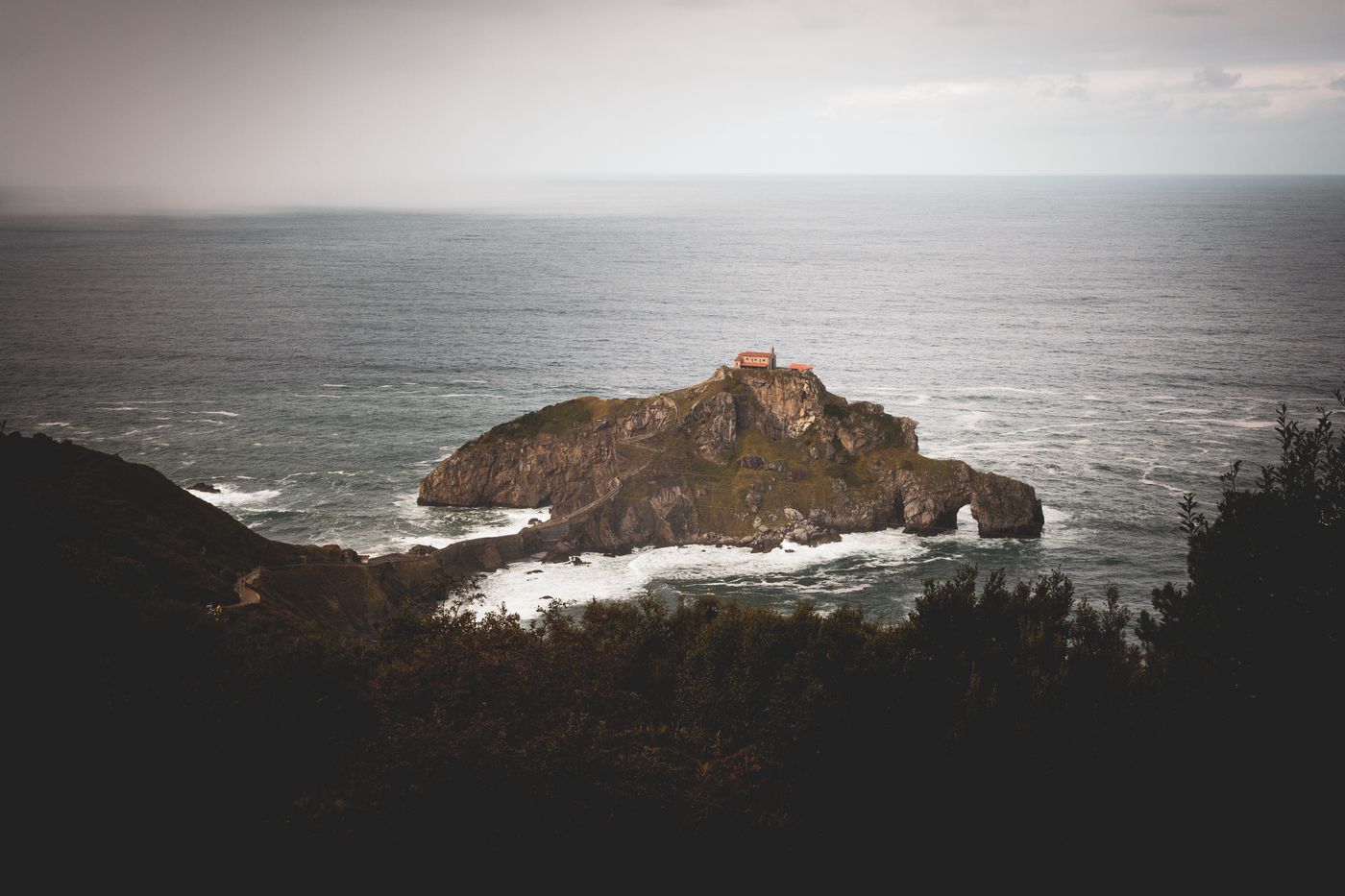
A chapel where the fortress should be
San Juan de Gaztelugatxe on the coast of Biscay became part of Dragonstone's screen geography. Its stone approach and winding ascent are real, but visitors do not find the enormous Targaryen fortress at the summit. A small shrine occupies the top of the rocky islet; the fictional castle belongs to the production's visual construction.
This is not a disappointing substitution once the distinction is clear. The physical route already contains much of the drama. It separates the destination from the mainland, exposes the traveller to the surrounding sea and makes arrival a sequence of turns rather than a single step through a door. Digital architecture extends a sense of difficulty that the landscape itself supplies.
Why an approach can matter more than a room
A winding stairway makes progress visible without making it immediate. Someone ahead can appear close in the frame while still being separated by another turn or change of level. The destination remains present, but reaching it takes time. In a story about returning to an ancestral place, that delay can give the approach the feeling of a ritual.
The visual effect also depends on scale. A person on the route becomes small against rock and water. That relationship can communicate vulnerability even when the character's political ambitions are enormous. It is a useful counterweight to the idea that claiming a fortress automatically places the world under control.
From an authorised viewpoint, compare the route's shape with the shape of the islet rather than trying to fit an imaginary castle into every photograph. The bends of the path are the feature that connects the real place most directly to screen memory. The shrine and its maritime associations deserve to remain visible in your understanding of the location, rather than being mentally erased to preserve the fiction.
The climb is not the whole journey
Visit Biscay provides visitor information and links for reserving access. Check the arrangements for your intended date, along with notices about the route and weather. A reservation system, where applicable, is not the same thing as a guarantee that every section will be suitable in every condition.
Think about the complete route from your arrival point, including the return, when deciding whether the outing suits your group. The famous summit steps are only part of the effort. Use footwear appropriate to the surface, keep space for people descending and do not stop across the narrow route for a prolonged photograph. If conditions or access restrictions prevent the ascent, a permitted coastal viewpoint can still explain the site's dramatic geometry.
Finally, remember that this is a place of local cultural and religious significance as well as a filming location. Treat the shrine, other visitors and the landscape with that context in mind. Dragonstone is an additional story attached to Gaztelugatxe, not a replacement name for everything that was already there.
The authentic feature is the extraordinary approach; its real shrine and the fictional fortress should not be confused.
Another angle on the story.
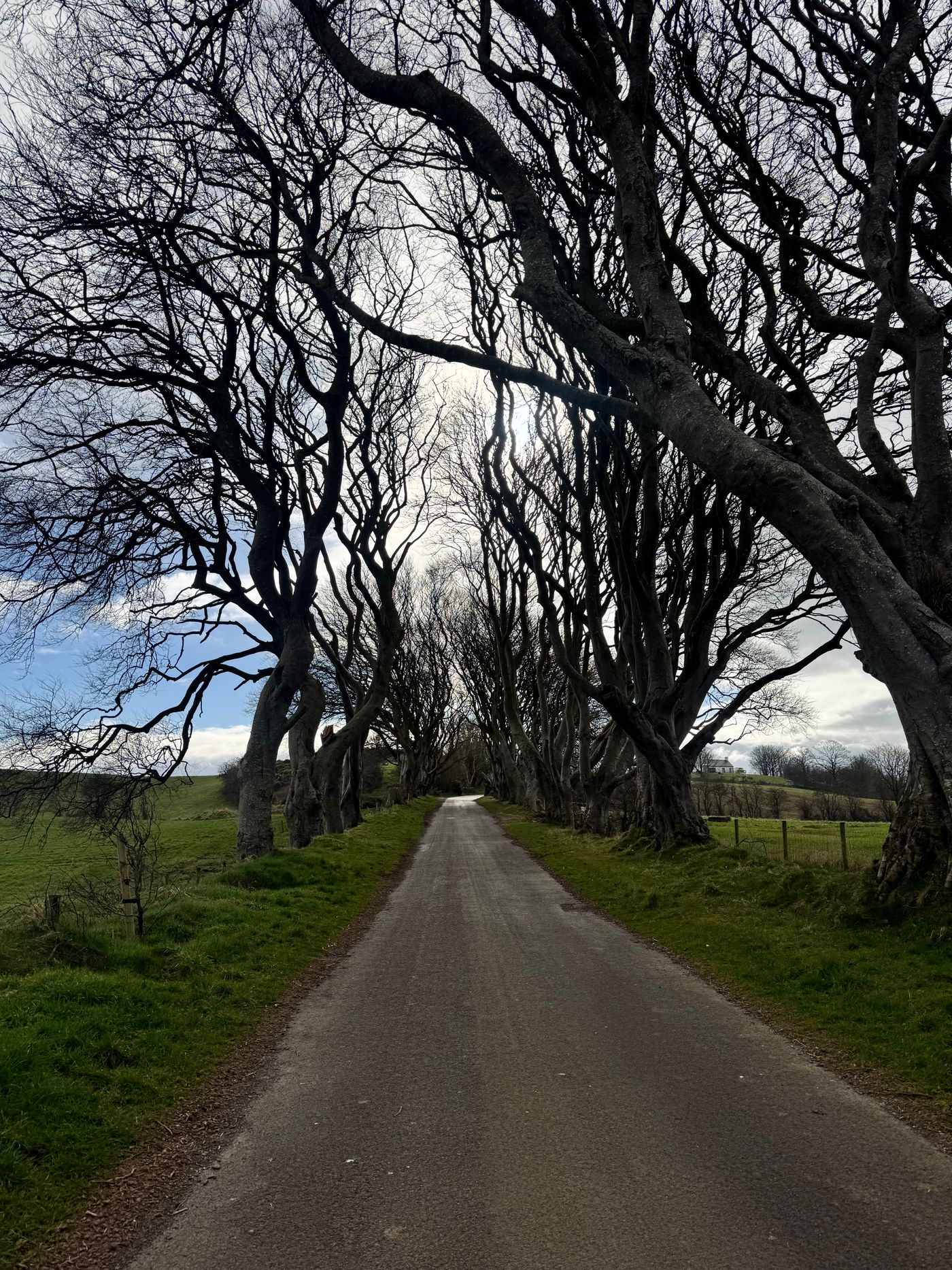
The Dark Hedges: A Road Between Two Worlds
The Kingsroad is a brief screen appearance. The real avenue rewards a slower look at its trees, perspective and vulnerability.
Read the essay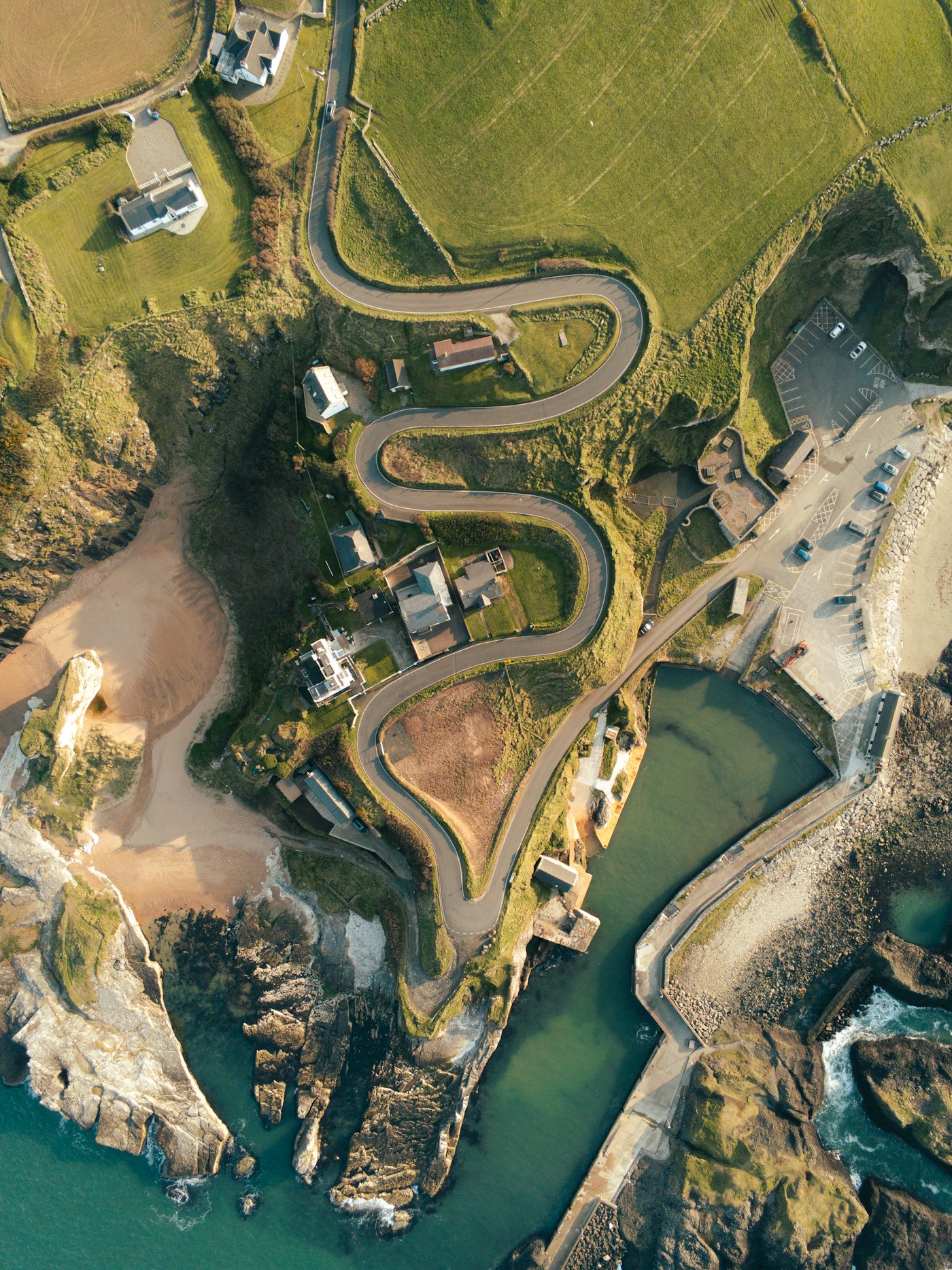
Ballintoy Harbour: The Iron Islands at Human Scale
A small harbour supplied a convincing arrival in the Iron Islands. Its enclosed water and exposed coast explain why.
Read the essay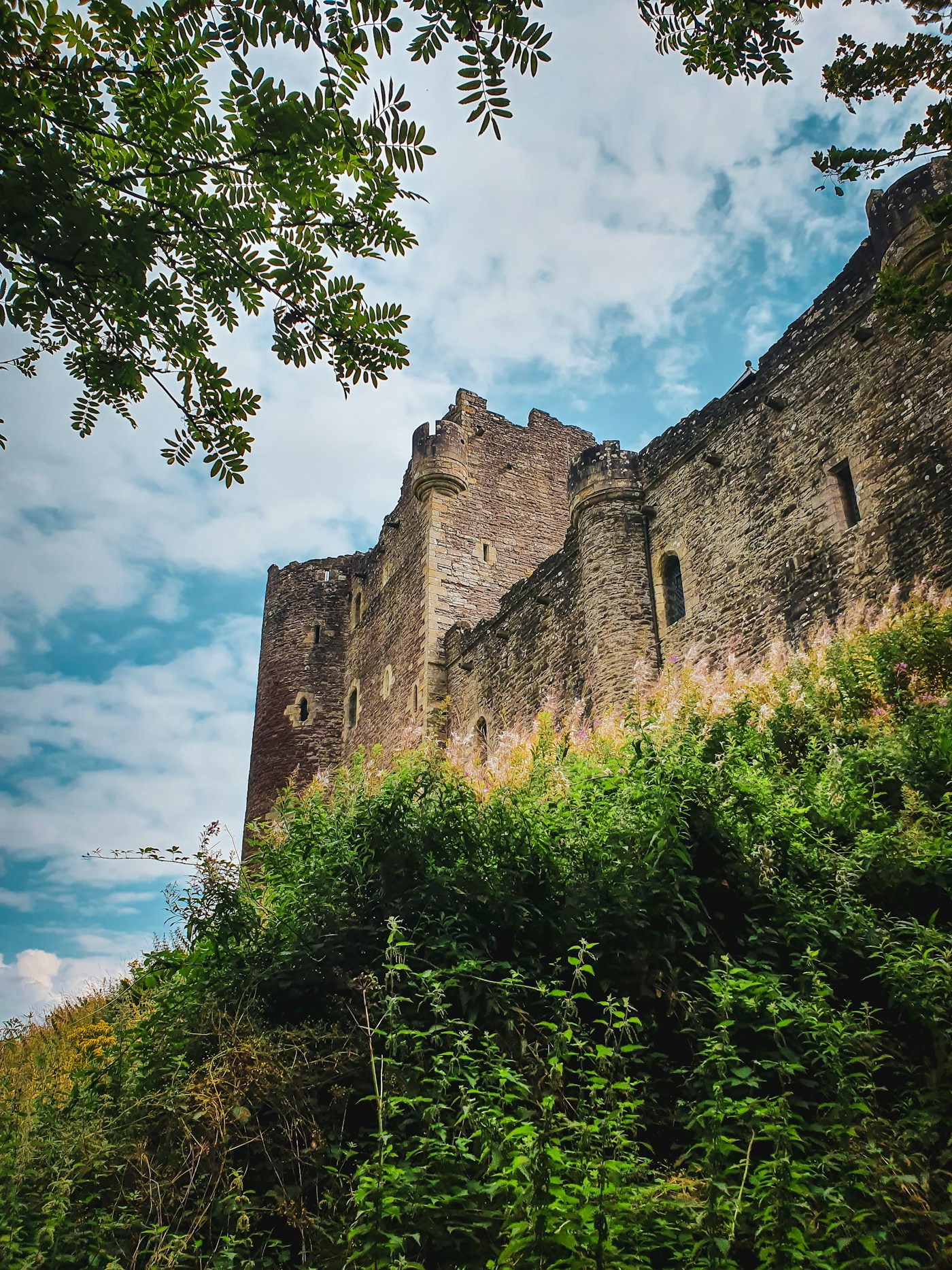
Doune Castle and the First Idea of Winterfell
The pilot connection matters, but this Scottish castle is not a complete model of the Winterfell seen throughout the series.
Read the essay